
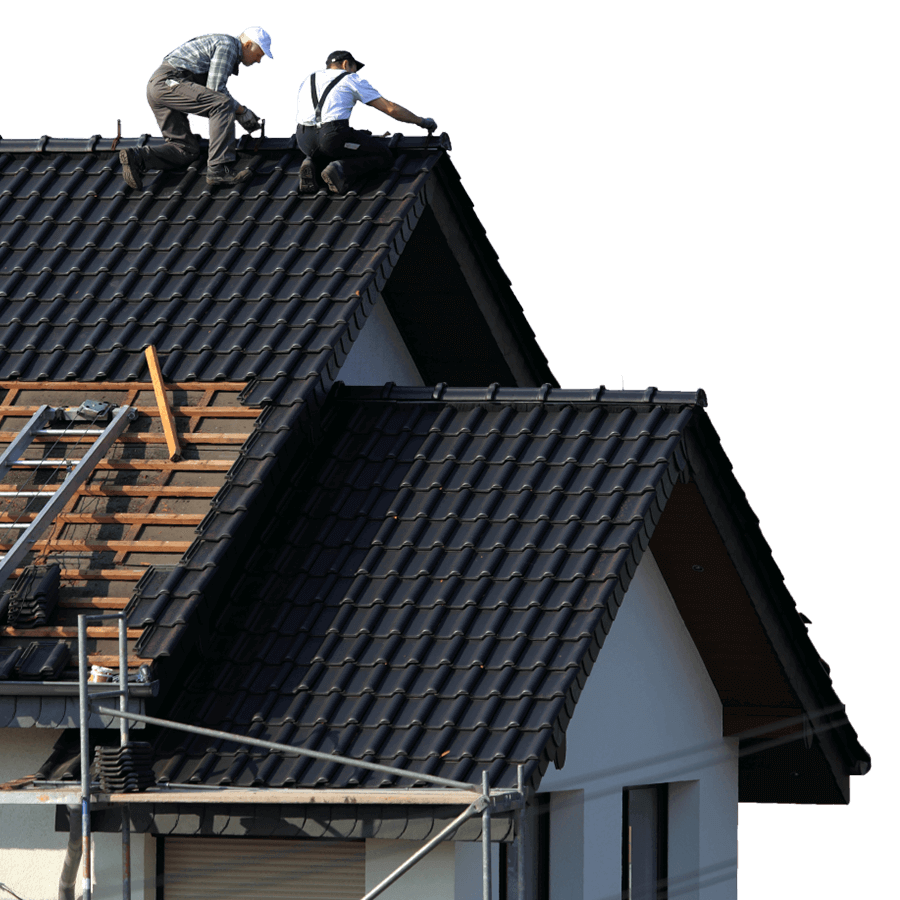
Quick Answer : The right roofing system for a Manhattan property depends on the building’s roof slope, structure, drainage, age, rooftop equipment, access, and long-term maintenance needs. Flat roofs, shingles, slate, metal, EPDM, TPO, and modified bitumen all work best in different situations, so the decision should start with a professional inspection rather than material preference alone.
Choosing a roof in Manhattan is not the same as choosing a roof in a low-density suburb. Many local properties have flat or low-slope roofs, parapet walls, skylights, roof hatches, internal drains, rooftop HVAC units, historic masonry, limited access, and neighboring buildings close on each side.
A proper roofing system includes more than the visible surface. It includes the roof deck, insulation, underlayment, flashing, drains, gutters, seams, fasteners, ventilation, edge details, rooftop penetrations, and a plan for future maintenance. If one of these parts is ignored, even a strong material can fail early.
Goldenberg Roofing NYC provides Manhattan roofing services, including roof repair, roof replacement, flat roofing, roof inspections, leak diagnostics, and TPO, EPDM, and SBS flat roofing support for local properties.
This guide explains how Manhattan building conditions, roof slope, material selection, drainage, installation quality, and long-term costs should guide the final roofing decision.
Why Manhattan Properties Need a Different Roofing Approach
A roof in Manhattan must handle more than normal weather exposure. It also needs to work around dense construction, aging structures, rooftop equipment, difficult access, and drainage limits.
Dense Urban Construction Creates Roofing Challenges
Manhattan properties are closely packed. Brownstones, townhouses, prewar co-ops, apartment buildings, mixed-use properties, retail buildings, and office buildings often sit close to neighboring structures.
This density can limit airflow and trap heat around roof surfaces. It can also make roof installation more complex because contractors may need to plan material delivery, sidewalk protection, staging, building access, and occupant safety.
Roofing systems also need to work with parapet walls, chimneys, skylights, cornices, roof hatches, masonry edges, and adjoining structures. In many cases, leaks begin at these transitions rather than in the middle of the roof.
Manhattan Weather Affects Roof Performance
Manhattan roofs face hot summers, freezing winters, heavy rain, snow, ice, and wind-driven storms. Flat and low-slope roofs are especially exposed because water drains more slowly than it does on pitched roofs.
Summer heat can age membranes and dry out sealants. Winter freeze-thaw movement can open small cracks around flashing, parapets, and roof edges. Heavy rain can expose clogged drains, weak seams, and poor roof slope.
That is why a roof should be chosen for year-round performance, not only appearance or upfront cost.
Rooftop Equipment Changes the Roof Design
Many Manhattan buildings have rooftop HVAC systems, exhaust fans, cooling units, vents, utility lines, roof hatches, solar equipment, and service access paths. These details affect how the roof should be designed.
Every penetration creates a flashing point. Every equipment area creates foot traffic. Every service visit creates the possibility of punctures, scuffs, or membrane damage.
A roof system for a commercial building or multi-family property should include durable materials, walkway protection, reinforced flashing, and drainage planning around equipment areas.
Start With a Manhattan Roof Inspection Before Choosing Materials
Material selection should not be the first step. A strong roofing plan starts with a building evaluation, roof inspection, and understanding of how the roof is used.
Structural Capacity Comes First
Some roofing materials are heavier than others. Slate, clay tile, concrete pavers, green roof components, and certain roof deck assemblies may require structural review before installation.
Older Manhattan buildings may have aging wood decking, steel framing, concrete decks, or previous roof layers. If the structure is weak, adding a premium material without inspection can create risk.
A professional roof inspection in Manhattan should review deck condition, slope, framing concerns, moisture signs, existing layers, and whether the building can support the planned system.
Match the Roof to the Property Type
Different properties need different systems. A townhouse with a sloped roof may benefit from asphalt shingles, slate, or metal roofing. A brownstone with a hidden flat roof may need EPDM, TPO, SBS, or modified bitumen. A commercial building may need a system that handles HVAC access, foot traffic, and internal drainage.
Residential roofing usually focuses on appearance, lifespan, weather protection, comfort, and property value. Commercial roofing often focuses on durability, tenant protection, drainage, equipment access, and reduced business disruption.
The right system depends on how the roof performs, not only how the material looks.
Installation Quality Matters More Than Material Alone
A premium material can fail if it is installed poorly. Slate can leak if flashing is wrong. TPO can fail if seams are not welded correctly. EPDM can leak if seams, drains, or penetrations are ignored. Shingles can fail early if the roof slope, ventilation, or flashing details are wrong.
Proper roof installation includes underlayment, flashing, fasteners, insulation, edge details, drainage, ventilation, roof penetrations, and final inspection.
NYC Building Code requires flashing to prevent moisture from entering through joints in copings, parapet wall intersections, roof penetrations, and roof openings.
Choosing Roofing Materials by Manhattan Property Type
Roofing materials should be selected for performance, compatibility, maintenance needs, and long-term value.
Asphalt Shingles for Sloped Residential Roofs
Asphalt shingles are common for sloped residential roofs. They are practical, cost-effective, and available in many styles and colors.
They can work well for townhouses, smaller residential buildings, and sloped roof sections where water can shed properly. However, shingles are not suitable for flat or very low-slope areas because they are designed to shed water, not hold standing water.
A shingle roof still needs proper flashing, ventilation, gutters, and maintenance. Without these details, leaks can occur around chimneys, skylights, valleys, dormers, and roof edges.
Flat Roofing Systems for Low-Slope Buildings
Flat and low-slope roofs are common across Manhattan. Brownstones, apartment buildings, co-ops, condos, restaurants, retail spaces, commercial buildings, and mixed-use properties often need membrane systems.
EPDM is a rubber membrane known for flexibility. TPO is a thermoplastic membrane often selected for reflective performance and heat-welded seams. SBS and modified bitumen systems are also common on traditional flat roofs.
These systems perform best when drainage, flashing, parapet walls, scuppers, roof hatches, and rooftop equipment are planned correctly. Property owners with low-slope roofs can review Manhattan flat roofing services before choosing a final system.
Metal Roofing for Durability and Water Shedding
Metal roofing can be a strong option for certain sloped roofs, roof accents, additions, and long-term durability goals. Standing seam metal roofing offers clean lines and strong water-shedding performance when installed correctly.
However, metal is not automatically right for every Manhattan property. It must match the building’s slope, architecture, flashing needs, expansion movement, and budget.
For some townhouses or architectural designs, metal may be useful. For flat roofs with drainage challenges, a membrane system may be more appropriate.
Slate for Historic and Luxury Properties
Slate roofing is often used on historic homes, luxury townhouses, and architecturally significant buildings. It offers natural beauty, long life, and strong historic character.
However, slate is heavy and requires specialized installation. The structure must be evaluated before installation or restoration. Matching existing slate is also important for landmark-style properties.
A homeowner considering slate should work with a contractor who understands historic materials, flashing, masonry edges, and long-term preservation goals.
Residential Roofing Considerations in Manhattan
Residential roofs need to protect the home, support appearance, improve comfort, and reduce future repair needs.
Lifespan Should Not Be the Only Factor
Different roofing systems have different lifespans. Asphalt shingles usually cost less upfront but may not last as long as slate or metal. Slate can last for generations when properly installed and maintained. Metal can offer strong long-term durability on suitable roof designs.
Flat roof systems can also perform well when installed correctly and maintained regularly. Their lifespan depends on material, workmanship, drainage, exposure, and maintenance.
A homeowner should not choose by lifespan alone. The material must fit the roof’s slope, structure, and building design.
Energy Performance Also Matters
Roofing affects indoor comfort. Dark roofing materials can absorb heat, while some reflective flat roof membranes can help reduce heat absorption on large exposed surfaces. Insulation and ventilation also play an important role.
DOB states that new job filings, filings with incomplete energy analysis, and projects involving alteration of a historic building must comply with the 2025 New York City Energy Conservation Code starting March 30, 2026.
For residential properties, roof planning should consider insulation, ventilation, air sealing, roof color, and material performance.
Maintenance Needs Should Be Clear From the Start
Every residential roof needs maintenance. Shingles should be checked for missing pieces, curling, granule loss, and flashing problems. Slate should be inspected for cracked or slipped tiles. Metal should be reviewed for seams, fasteners, and flashing.
Flat roofs need drain cleaning, membrane inspection, seam checks, and flashing maintenance. A maintained roof usually lasts longer and performs better than one ignored until a leak appears.
Homeowners can use residential roofing services to compare repair, replacement, inspection, and material options before making a final decision.
Commercial Roofing Considerations in Manhattan
Commercial roofs need reliability, drainage planning, equipment access, and reduced business disruption.
Flat Roof Systems Are Common on Commercial Buildings
Most commercial roofs in Manhattan are flat or low-slope. These roofs often use EPDM, TPO, SBS, modified bitumen, PVC, or built-up roofing.
The best system depends on roof size, equipment, foot traffic, drainage, energy goals, and budget. Restaurants may need added attention near exhaust systems. Office buildings may need maintenance access paths. Retail properties may need installation planning that limits disruption.
A commercial roof should be designed as a working system, not simply a membrane layer.
HVAC and Drainage Planning Are Critical
Commercial roofs often support HVAC units, exhaust fans, conduits, pipes, solar equipment, and roof hatches. Each element creates possible leak points.
The roof should include reinforced flashing around equipment curbs, protected walkways where service traffic is frequent, and clear drainage paths.
Drainage is especially important on low-slope commercial buildings. Standing water can weaken membranes, stress seams, and create interior leak risks.
Installation Should Protect Business Operations
Commercial roof installation can affect tenants, customers, employees, and daily operations. A good contractor plans access, material delivery, noise, safety, weather windows, and phasing.
This is especially important for restaurants, hotels, medical offices, retail spaces, schools, and occupied apartment buildings.
Professional planning helps avoid emergency leaks, tenant complaints, and last-minute schedule changes.
Common Roofing Systems Used on Manhattan and NYC Buildings
NYC buildings use a wide range of roofing systems. The right option depends on slope, structure, drainage, building use, and maintenance goals.
| Roofing System | Best Use in Manhattan | Main Strength | Key Maintenance Need |
| Asphalt shingles | Sloped residential roofs | Practical and cost-effective | Flashing, gutters, missing shingles |
| Slate roofing | Historic and luxury homes | Long life and premium appearance | Tile replacement and flashing care |
| Standing seam metal | Sloped roofs and modern designs | Durability and water shedding | Seam and flashing inspection |
| EPDM | Flat residential and commercial roofs | Flexibility and weather resistance | Seam and puncture checks |
| TPO | Flat roofs with heat exposure | Reflective surface and welded seams | Drainage and seam inspection |
| Modified bitumen | Traditional flat roofs | Layered waterproofing | Crack and blister monitoring |
| Built-up roofing | Commercial low-slope roofs | Multi-layer protection | Drainage and surface maintenance |
Built-Up Roofing
Built-up roofing, often called BUR, uses multiple layers to create a durable low-slope roof system. It has been used on commercial roofs for many years.
BUR can provide strong protection, but it may be heavier and more labor-intensive than some modern single-ply systems. It may work well for certain commercial buildings where layered durability is desired.
Modified Bitumen
Modified bitumen is an asphalt-based flat roofing system often used on low-slope roofs. It can provide strong waterproofing for traditional flat roof conditions.
Like all flat roof systems, modified bitumen needs good drainage and regular inspections. Cracks, blisters, seams, flashing, and ponding areas should be monitored.
EPDM and TPO
EPDM is a synthetic rubber membrane used on flat and low-slope roofs. It is known for flexibility and weather resistance.
TPO is a thermoplastic single-ply roofing membrane often chosen for commercial and residential flat roofs where reflectivity and welded seams are important.
Both systems can perform well when installed correctly. Seams, punctures, flashing, roof edges, and drainage areas should be inspected regularly.
When Roof Replacement in Manhattan Makes More Sense Than Repair
Roof repair can solve many problems, but some roofs reach a point where replacement becomes the smarter investment.
Recurring Leaks Are a Warning Sign
Recurring leaks are one of the clearest signs that the roof may have widespread failure. If water enters after every storm or appears in several areas, the issue may not be isolated.
Moisture problems may include wet insulation, soft decking, stained ceilings, mold odors, bubbling paint, and repeated patchwork.
When leaks are no longer limited to one area, roof replacement in Manhattan may offer better long-term value than another temporary repair.
Aging Materials Lose Performance
Every roof material ages. Shingles become brittle or lose granules. Membranes crack or separate. Flashing loosens. Sealants dry out. Old roof coatings lose strength.
If the roof is near the end of its service life and repairs are becoming frequent, replacement may be more practical than continued patching.
A professional inspection can estimate remaining roof life and help owners decide whether repair or replacement makes sense.
Structural Damage Requires Deeper Planning
Some problems go beyond surface repair. Wet decking, structural movement, rotted wood, rusted steel, sagging roof areas, or long-term water intrusion may require deeper work.
NYC DOB explains that most construction in New York City requires approval and permits, although some minor alterations may be done without a work permit.
If roof replacement involves deck, structural, drainage, or building-envelope changes, professional review is important before work begins.
What Affects Roofing System Cost in Manhattan
Roofing costs depend on more than material price. Access, building type, labor, roof complexity, and maintenance needs all affect long-term value.
Building Size and Accessibility
Large roofs usually cost more because they need more materials and labor. However, access can matter just as much as size.
A small townhouse roof may still be complex if access is difficult, staging is limited, or neighboring buildings restrict work. Commercial roofs may require coordination with tenants, equipment, and safety planning.
Manhattan accessibility is a major project factor.
Material Quality and Warranty
Higher-quality materials may cost more upfront, but they can provide better protection and longer performance. Warranty terms may also vary by manufacturer, installer, and roof system.
Property owners should ask what the warranty covers. Material coverage, labor coverage, workmanship, flashing details, and maintenance requirements may all differ.
The cheapest proposal may not offer the best long-term value.
Installation Complexity
Complex roofs cost more to install. Skylights, drains, scuppers, chimneys, parapets, roof hatches, HVAC units, slope corrections, insulation upgrades, and deck repairs can all increase complexity.
Historic properties may also require careful material matching and preservation-sensitive work.
The more complex the roof, the more important experienced installation becomes.
Mistakes to Avoid When Choosing a Roof
Many roofing problems begin with the wrong decision during material selection or installation planning.
Choosing Only by Initial Cost
A low upfront price can be attractive, but it may not include proper flashing, drainage correction, insulation, deck repairs, or quality materials.
If the roof fails early, the property owner may spend more on repairs than they saved.
Cost should be weighed against lifespan, maintenance, risk, and installation quality.
Ignoring Building-Specific Conditions
A roofing system should match the building. Shingles do not belong on flat roofs. Heavy slate should not be installed without structural review. Commercial roofs need equipment and drainage planning.
Ignoring building-specific requirements can lead to leaks, code issues, early failure, and expensive repairs.
The roof should be designed around the property’s actual conditions.
Waiting Too Long to Replace a Failing Roof
Some owners continue repairing a roof long after replacement would be smarter. This can lead to repeated leaks, wet insulation, structural damage, and interior repair costs.
A planned replacement is easier to manage than an emergency replacement after major water damage.
Professional inspections help owners decide when repair no longer makes financial sense.
Conclusion: Choose a Manhattan Roof That Fits the Building, Not Just the Budget
Every Manhattan property has unique roofing needs. A townhouse, brownstone, co-op, condo, mixed-use building, restaurant, office building, retail property, or luxury residence may each need a different system.
Need help choosing the right roof for your Manhattan property? Goldenberg Roofing NYC provides roof inspections, roof repair, roof replacement, flat roofing, shingle roofing, TPO roofing, EPDM roofing, SBS flat roofing, emergency roof repair, gutters, siding, masonry, skylight services, and commercial roofing solutions throughout Manhattan. The company also provides emergency roof repair, routine maintenance, and complete roof replacement for homes and businesses in Manhattan.
Call Goldenberg Roofing NYC today at (212) 457-1324 to schedule a professional roof inspection, or visit 1274 5th Ave, New York, NY 10029. Get roofing recommendations tailored to your Manhattan property.
Frequently Asked Questions
What is the best roofing system for Manhattan buildings?
The best roofing system depends on roof slope, property type, structure, drainage, budget, and maintenance needs. Flat and low-slope buildings often need EPDM, TPO, SBS, modified bitumen, or built-up roofing. Sloped residential roofs may use asphalt shingles, slate, or metal roofing.
How do I choose the right roofing material for my property?
Start with a professional roof inspection. The contractor should evaluate roof slope, structural capacity, drainage, flashing, existing damage, roof access, energy goals, and building use. The right roofing material should match the building’s needs instead of being chosen by cost alone.
When should I consider roof replacement instead of repairs?
Roof replacement may be better when the roof has frequent leaks, widespread membrane damage, wet insulation, soft decking, failing flashing, repeated repair history, or materials beyond their useful service life. Repairs may still work when damage is small, isolated, and the surrounding roof remains in good condition.
Which roofing system lasts the longest?
Slate and metal roofing are among the longest-lasting options for suitable sloped roofs. For flat roofs, EPDM, TPO, SBS, modified bitumen, and built-up roofing can all provide strong performance when installed correctly, maintained regularly, and matched to the building’s drainage and rooftop use.
Is a flat roof a good option for commercial buildings?
Yes, a flat roof is often practical for Manhattan commercial buildings because it can support HVAC equipment, roof access, drainage systems, and large roof areas. The roof must be designed with proper membrane selection, flashing, drainage, walk paths, and maintenance planning.
How long does roof installation usually take?
Roof installation time depends on roof size, material, access, weather, building height, tear-off needs, structural repairs, and project complexity. A small residential roof may take less time, while a large commercial flat roof or complex Manhattan property may require more planning and phased installation.
How often should a roof be professionally inspected?
Most roofs should be professionally inspected at least once a year and after major storms, heavy snow, visible leaks, rooftop equipment work, or drainage problems. Commercial flat roofs and older buildings may need inspections twice a year to prevent small issues from becoming costly repairs.