
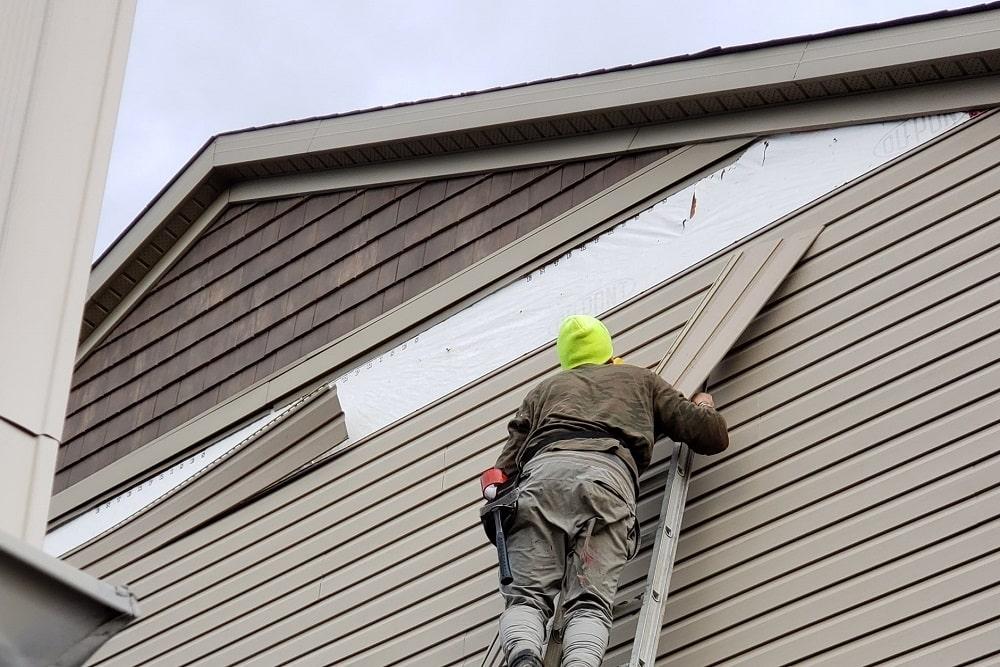
Quick Answer : Roof Leak Repair Manhattan property owners schedule early can prevent small leaks from spreading into walls, ceilings, insulation, roof decking, steel supports, electrical areas, and tenant spaces. In many older Manhattan buildings, roof leaks begin quietly through damaged flashing, clogged drains, aging membranes, rooftop equipment penetrations, or structural movement before visible interior damage appears.
Manhattan has thousands of older multi-story buildings, including prewar co-ops, walk-ups, mixed-use buildings, townhouses, commercial properties, retail spaces, apartment buildings, and office buildings. Many of these properties rely on flat or low-slope roofing systems that must handle heavy rain, snow, ice, rooftop equipment, drainage pressure, and years of past repairs.
Roof leaks Manhattan building owners notice indoors often start long before water reaches the ceiling. Water may travel under membranes, behind parapet walls, around flashing, through old roof penetrations, or inside wall cavities. By the time stains appear, the roof assembly may already have hidden moisture.
This guide explains why older Manhattan buildings are more vulnerable to leaks, where hidden water intrusion usually begins, how flashing and drainage failures create expensive damage, and how preventive maintenance reduces the need for emergency roof repairs.
Why Manhattan’s Older Multi-Story Buildings Are More Vulnerable to Roof Leaks in NYC
Older Manhattan buildings face more roof leak risk because their roofing systems have been exposed to decades of weather, material movement, rooftop traffic, and repair history. Even when a roof looks stable from above, hidden weaknesses may be developing below the surface.
Decades of Weather Exposure Weakens Roofing Systems
Aging building roofing systems in Manhattan deal with long-term UV exposure, rain, snow, ice, heat, and wind. Over time, these conditions wear down roof membranes, flashing, sealants, coatings, fasteners, and roof edges.
Flat and low-slope roofs are especially vulnerable because water moves away more slowly than it does on pitched roofs. If a drain clogs or a roof surface settles, water may sit long enough to weaken seams, flashing, and older patchwork.
Seasonal expansion also matters. Materials expand in summer heat and contract during winter cold. After years of movement, small gaps can open around roof penetrations, parapet walls, skylights, HVAC curbs, and drains.
Aging Roofing Components Lose Their Protective Performance
Roofing components do not fail all at once. Underlayment can deteriorate. Membranes can dry out or crack. Sealants can shrink. Flashing can loosen. Drain strainers can clog. Old patches can split after years of exposure.
Many older Manhattan buildings have roofs with multiple repair layers. A roof may have EPDM sections, modified bitumen patches, coating areas, roof cement repairs, and older flashing details all working together. When one part fails, water can move beneath another part before showing up indoors.
That is why Roof Leak Repair Manhattan projects should begin with diagnosis. The visible stain is not always directly below the leak source.
Structural Movement Creates Hidden Leak Pathways
Older Manhattan buildings naturally move over time. Building settlement, thermal expansion, masonry movement, and roof deck deflection can create small openings.
These small openings may form around parapet walls, chimneys, skylights, roof hatches, vent pipes, and wall transitions. During heavy rain or snow melt, water finds these weak points and travels inside.
A small opening can become a major leak when freeze-thaw cycles expand it. Water enters, freezes, expands, and pushes the opening wider. This is one reason early inspection is so important.
Hidden Roof Leak Problems Commonly Found in Manhattan NYC Buildings
Many roof leaks Manhattan property owners face are hidden because the water enters at one point and appears somewhere else. A professional roof inspection should trace the full water path, not only the interior stain.
Damaged Flashing Around Roof Penetrations
Flashing protects areas where the roof meets another surface. Common flashing areas include chimneys, skylights, HVAC equipment, vent pipes, roof hatches, parapet walls, sidewalls, drains, and roof edges.
NYC Building Code requires flashing to be installed to prevent moisture from entering through joints in copings, roof and wall intersections, roof openings, parapet wall intersections, and other penetrations through the roof plane.
This matters because older multi-story buildings often have many roof penetrations. If even one flashing detail fails, water can enter beneath the roof system and travel before becoming visible indoors.
Blocked Roof Drainage Systems Cause Water Ponding
Blocked drainage is one of the most common causes of flat roof leaks. Manhattan buildings may use internal drains, scuppers, gutters, downspouts, and overflow systems to move water off the roof.
Leaves, construction dust, trash, pigeon debris, roofing granules, and loose repair materials can block drains. Once water cannot leave the roof, ponding begins.
NYC Building Code states that roof drainage system design and installation must comply with code requirements, and NYC Plumbing Code connects parapet wall scupper locations with Building Code roof drainage requirements.
When drainage fails, water may collect near skylights, parapets, HVAC units, drains, and roof seams. These are exactly the areas where many leaks begin.
Cracked Roofing Membranes Allow Slow Water Intrusion
Many Manhattan flat roofs use EPDM, TPO, SBS, modified bitumen, or built-up roofing systems. These materials can perform well, but they still age.
EPDM can develop punctures, shrinkage, or seam issues. Modified bitumen can crack or blister. TPO seams can separate if damaged or poorly maintained. Older coatings can peel or split.
Slow water intrusion often begins through a hairline crack or open seam. Because water may travel beneath the membrane, the interior stain may appear far from the actual roof defect.
How Flashing Failures Lead to Roof Leak Repair Manhattan Projects
Flashing failure is one of the biggest reasons older buildings need Roof Leak Repair Manhattan services. Flashing sits at the most vulnerable points of the roof system.
Metal Flashing Corrosion in Older Buildings
Older metal flashing may corrode, rust, bend, or separate over time. This is especially common near chimneys, parapets, skylights, drains, wall intersections, and rooftop equipment.
Corrosion creates openings where water can enter. Joint separation can also occur when flashing expands and contracts with temperature changes.
Once moisture enters behind flashing, it may move into the wall, roof deck, insulation, or ceiling assembly. The leak may not show immediately, but the damage can grow silently.
Improper Flashing Installation from Previous Repairs
Many older Manhattan roofs have been repaired by several contractors over the years. Some repairs may have relied on temporary patches, roof cement, surface caulk, or mismatched flashing.
Poor workmanship can create new leak paths. Common issues include missing fasteners, exposed seams, wrong flashing height, poor overlap, incompatible metals, and sealants applied over dirty or wet surfaces.
A quick patch may stop a leak for a short time, but it does not provide long-term waterproofing. Professional flashing repair Manhattan buildings need should correct the underlying detail.
Why Professional Flashing Repair Prevents Structural Damage
Professional flashing repair protects roof openings and transitions before water reaches structural materials. Correct flashing guides water away from the vulnerable area instead of trapping it.
A proper repair may include removing failed sealant, replacing corroded metal, rebuilding membrane flashing, securing loose details, correcting laps, and sealing compatible materials.
This type of work reduces long-term repair costs because it prevents water from damaging the roof deck, wall framing, steel, insulation, and interior finishes.
How Water Intrusion Damages More Than Just the Roof in Manhattan Buildings
Water intrusion repair is important because roof leaks do not stay on the roof. Once moisture enters the building, it can affect many systems.
Hidden Moisture Inside Walls and Ceilings
Water can travel inside ceiling cavities, wall assemblies, insulation, plaster, and drywall. In older Manhattan buildings, moisture may also move through masonry or behind decorative finishes.
Visible signs may include ceiling stains, bubbling paint, damp plaster, soft drywall, peeling trim, musty odors, or recurring stains after storms.
Wet insulation can also lose performance. If moisture remains trapped, mold concerns may develop and interior repairs may become more expensive.
Structural Wood and Steel Deterioration
Older Manhattan buildings may include wood decking, steel framing, masonry supports, concrete decks, or mixed structural systems. Water intrusion can damage each material differently.
Wood decking can rot, soften, or lose strength. Steel can rust when exposed to moisture over time. Fasteners can corrode. Roof deck deterioration can make future roof repairs more complex.
If structural deterioration is suspected, a professional evaluation becomes necessary. In some cases, the project may move beyond simple roof repair.
Interior Property Damage and Business Disruptions
Roof leaks can damage more than ceilings. They can affect electrical fixtures, office equipment, tenant units, inventory, flooring, furniture, restaurant spaces, retail merchandise, and building systems.
For commercial and mixed-use properties, water intrusion may cause tenant complaints, business interruption, emergency calls, and insurance concerns.
Prompt roof leak repair protects both the building and the people using it.
Why Commercial Roof Repair Is Essential for Manhattan NYC Multi-Story Buildings
Commercial roof repair is especially important in Manhattan because many multi-story buildings have large flat roofs, rooftop equipment, multiple tenants, and complex drainage systems.
Large Roof Areas Require Routine Professional Inspections
Large roofs have more seams, drains, flashing points, equipment curbs, vents, and roof edges. This creates more places where leaks can begin.
Routine professional inspections help identify minor problems before they spread. A good inspection checks the membrane, flashing, drains, scuppers, rooftop equipment, parapets, gutters, skylights, roof hatches, and interior leak signs.
Goldenberg Roofing NYC provides leak diagnostics, emergency repairs, flat roofing, roof replacement, and TPO, EPDM, and SBS flat roofing systems across New York City.
Rooftop Equipment Increases Leak Risks
Commercial and mixed-use buildings often have HVAC systems, exhaust fans, solar equipment, utility penetrations, pipe supports, and maintenance access routes.
Each unit creates a roof penetration or stress point. Equipment vibration can loosen flashing. Service traffic can puncture membranes. Poor supports can press into the roof surface.
A commercial roof repair plan should always include rooftop equipment areas. Ignoring those details can lead to repeat leaks.
Delaying Repairs Leads to Larger Structural Expenses
Delaying roof repairs usually increases cost. A small puncture may become wet insulation. A flashing gap may become wall damage. A clogged drain may create widespread ponding.
Emergency repairs are also harder to manage because the building may already have active leaks, tenant complaints, or interior damage.
Goldenberg Roofing NYC’s Manhattan emergency roof repair service includes response for active roof leaks, storm damage, damaged flashing, membrane failures, and immediate water intrusion concerns.
Preventive Roof Maintenance That Helps Manhattan Property Owners Avoid Costly Repairs
Preventive maintenance is the best way to reduce roof leaks Manhattan buildings often experience. A maintenance plan keeps small defects from becoming expensive emergencies.
Schedule Seasonal Roof Inspections
Older Manhattan roofs should usually be inspected in spring and fall. Spring inspections identify winter damage from snow, ice, freeze-thaw cycles, and blocked drains. Fall inspections prepare the roof for winter weather.
Storm assessments are also important after heavy rain, strong wind, snow, or falling debris. These events can loosen flashing, damage membranes, block drains, and create sudden leak paths.
NYC DOB states that most construction in New York City requires approval and permits, although some minor alterations may be done without a work permit. Property owners should consult qualified professionals when project scope is unclear.
Keep Roof Drainage Systems Clean
Drain cleaning, gutter maintenance, scupper clearing, and debris removal should be routine. Water must have a clear path off the roof.
Manhattan rooftops collect debris quickly because of nearby buildings, construction activity, birds, wind, and rooftop equipment service. Even small debris piles can block drains or hold moisture against the roof.
Clean drainage reduces ponding water, membrane stress, ice buildup, and leak risk.
Repair Minor Damage Before It Becomes a Major Leak
Minor damage should be repaired quickly. This includes cracked sealant, loose flashing, small punctures, open seams, blistered membrane areas, clogged drains, damaged roof hatches, and early skylight leaks.
Flashing repair Manhattan buildings need should be handled with compatible materials and proper waterproofing methods. Roof cement alone is rarely a long-term solution.
Early maintenance is less disruptive than emergency repair. It also protects tenants, interiors, and building operations.
| Maintenance Area | What to Check | Why It Matters |
| Flashing | Chimneys, vents, skylights, HVAC curbs, parapets | Most leaks begin at roof transitions |
| Drains and scuppers | Clogs, slow drainage, debris, ice | Blocked drainage causes ponding water |
| Membrane surface | Cracks, punctures, blisters, seam issues | Small defects allow hidden water intrusion |
| Rooftop equipment | Curbs, supports, vibration, service paths | Equipment areas are common leak sources |
| Interior signs | Ceiling stains, damp walls, odors, bubbling paint | Interior damage confirms possible hidden leaks |
When Roof Leak Repair in Manhattan Becomes the Better Option Than Full Roof Replacement
Roof Leak Repair Manhattan property owners choose can be the right option when damage is localized and the roof still has useful life left. A roof does not always need full replacement because of one leak.
Repair may be enough when the problem is limited to flashing failure, a small membrane puncture, clogged drainage, a minor seam issue, or a single roof penetration. In these cases, professional repair can stop the leak and extend roof performance.
However, roof age and condition matter. If the roof has widespread cracking, wet insulation, soft decking, repeated leaks, multiple old patches, severe ponding, or structural deterioration, replacement may become the better investment.
Commercial roof repair should always include a cost comparison. A single targeted repair may be practical. Repeated emergency repairs across the same roof may cost more over time than planned replacement.
A professional evaluation should determine whether the building needs repair, restoration, or replacement. The goal is to avoid unnecessary replacement while also avoiding temporary fixes that allow structural damage to continue.
Conclusion: Protect Manhattan’s Older Buildings Before Small Roof Leaks Become Major Structural Problems
Older Manhattan buildings face higher leak risks because of aging materials, rooftop equipment, structural movement, drainage problems, and decades of weather exposure. A small leak can begin through flashing, membranes, drains, scuppers, skylights, HVAC curbs, or roof edges before appearing indoors.
Flashing failures and water intrusion often begin unnoticed but can lead to significant structural damage. Wet insulation, corroded steel, rotten decking, damaged ceilings, tenant complaints, and business disruption can all result from delayed repair.
Routine inspections and preventive maintenance extend roof life and reduce emergency repair costs. Prompt roof leak repair protects both the building structure and interior property.
Need Professional Roof Leak Repair in Manhattan? Do not wait until a small leak turns into costly structural damage. Goldenberg Roofing NYC provides comprehensive roof inspections, flashing repair, water intrusion repair, commercial roof repair, emergency roof repair, flat roofing, roof replacement, gutters, masonry, siding, skylight services, TPO roofing, EPDM roofing, and SBS flat roofing solutions for older Manhattan buildings.
Call Goldenberg Roofing NYC today at (212) 457-1324 to schedule a professional roof assessment, or visit us at 1274 5th Ave, New York, NY 10029.
FAQs: Roof Leak Repair Manhattan
What are the most common causes of roof leaks in older Manhattan buildings?
The most common causes of roof leaks in older Manhattan buildings include damaged flashing, clogged drains, cracked membranes, aging sealants, roof penetration failures, rooftop equipment damage, structural movement, ponding water, and old patchwork that no longer provides reliable waterproofing.
How can flashing damage lead to roof leaks?
Flashing damage can lead to roof leaks because flashing protects the joints where the roof meets chimneys, skylights, vents, HVAC curbs, parapets, walls, and roof edges. When flashing rusts, separates, cracks, or loosens, water can enter behind the roof surface and spread into ceilings, walls, or structural materials.
How do I know if my building has hidden water intrusion?
Signs of hidden water intrusion include ceiling stains, bubbling paint, damp plaster, musty odors, soft drywall, recurring leaks after storms, wet insulation, mold concerns, rusted metal, soft roof areas, and stains that grow after rain or snow melt. A professional roof inspection can trace the source before damage spreads.
How often should older commercial roofs in Manhattan be inspected?
Older commercial roofs in Manhattan should usually be inspected at least twice a year, often in spring and fall, and after major storms, heavy snow, rooftop equipment work, or visible leaks. Buildings with internal drains, rooftop HVAC units, restaurants, or recurring ponding water may need more frequent inspections.
Can roof leak repairs prevent structural damage?
Yes, timely roof leak repairs can help prevent structural damage by stopping water before it reaches decking, framing, steel, insulation, walls, ceilings, and interior finishes. Early repairs are usually less expensive than fixing widespread moisture damage or replacing deteriorated structural materials.
When should I repair my roof instead of replacing it?
Roof repair may be the better option when the damage is small, localized, and the surrounding roof still has useful life left. Replacement may be needed when leaks are recurring, insulation is wet, the membrane is widely damaged, decking is soft, ponding is severe, or repairs are becoming frequent and expensive.
Why is preventive roof maintenance important for aging Manhattan buildings?
Preventive roof maintenance is important for aging Manhattan buildings because older roofs are more likely to have worn membranes, failing flashing, clogged drains, structural movement, and hidden water entry points. Regular inspections and minor repairs help prevent emergency leaks and protect long-term building value.