
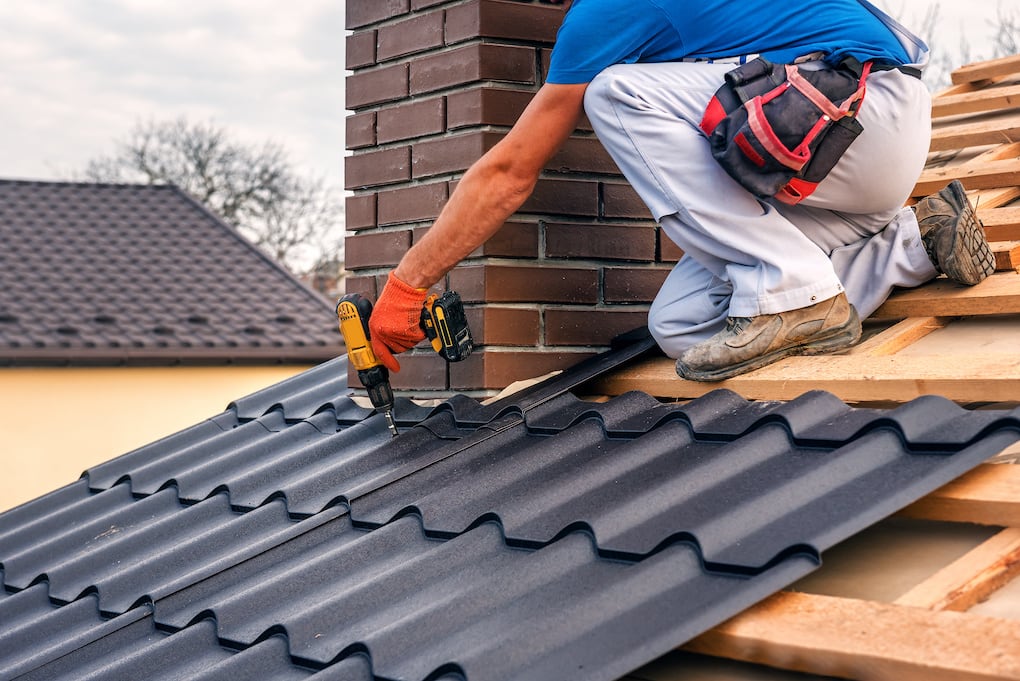
Quick Answer : Luxury renovations in Manhattan should begin with a roof inspection because hidden leaks, weak decking, poor drainage, damaged flashing, and skylight issues can delay construction and damage expensive new finishes. A professional inspection helps homeowners, architects, and contractors understand roof condition before interior remodeling, rooftop upgrades, or structural changes begin.
When roof problems are found early, the renovation team can plan repairs before custom millwork, flooring, plaster, lighting, and mechanical systems are installed.
Luxury home renovations in Manhattan often involve townhouses, brownstones, prewar co-ops, penthouses, boutique buildings, and high-value residences with complex roof systems. These properties may include slate, copper, flat roofing membranes, skylights, parapets, roof hatches, masonry edges, roof drains, and rooftop equipment that all need careful evaluation.
Renovating without checking the roof first can create serious problems. A leak that existed before construction may reappear after the project is complete. Moisture behind ceilings can damage custom interiors. Weak decking can affect skylight work or rooftop improvements. Poor drainage can threaten new plaster, flooring, insulation, and mechanical upgrades.
Why the Roof Should Be Checked Before Renovation Begins
A luxury renovation should start with the building envelope. If the roof is leaking, poorly drained, or structurally weak, the interior renovation may be exposed to hidden risk.
Hidden Roof Problems Can Delay the Project
Luxury renovations are detailed and schedule-sensitive. Homeowners may plan custom kitchens, spa bathrooms, rooftop terraces, hardwood flooring, imported stone, architectural lighting, high-end windows, and custom built-ins. Yet one hidden roof problem can delay several trades at once.
Roofing issues often stay hidden until construction begins. A contractor may open a ceiling and discover wet insulation, old leak stains, soft decking, rusted fasteners, or moisture around a skylight. At that point, interior work may need to pause while the roof is inspected and repaired.
A professional roof inspection in Manhattan helps reveal these issues before construction reaches the expensive finish stage. The homeowner can plan repairs early, adjust the schedule, and avoid damaging new materials.
Older Roof Structures Can Affect Renovation Plans
Many luxury homes in Manhattan are older structures. Townhouses, brownstones, prewar co-ops, and historic residences may have original framing, old roof decks, layered roofing systems, masonry parapets, chimneys, skylights, and rooflines that have shifted over time.
These conditions can affect renovation plans. A roof may not be ready for new skylights, rooftop mechanical equipment, solar upgrades, roof deck improvements, or heavier exterior materials without a structural review.
A structural roof assessment helps identify whether the existing roof can support planned work. It also helps architects and contractors understand whether repairs, reinforcement, drainage upgrades, or flashing improvements are needed before the project moves forward.
NYC Permits and Historic Rules May Matter
Manhattan renovation projects often involve permits, inspections, and professional review. The NYC Department of Buildings explains that most construction in New York City requires approval and permits, while some limited work may be exempt depending on scope.
This matters because roof-related work can affect structure, drainage, insulation, skylights, roof decks, parapets, or building-envelope performance. A roof inspection helps identify issues before design plans are finalized.
If a property is landmarked or located in a historic district, exterior work may also need LPC review. The Landmarks Preservation Commission says most exterior changes to buildings in historic districts require LPC review, and certain exterior restoration or replacement work may require a permit.
Common Roof Problems Found Before Luxury Renovations
Luxury homes may have premium materials and refined finishes, but the roof still needs practical performance. A beautiful roof can still hide water, weak flashing, or drainage trouble.
Moisture Beneath Premium Roofing Materials
High-end materials can sometimes hide damage. Slate, copper, tile, decorative metal, roof coatings, and finished roof decks may look attractive while moisture collects below.
Water can enter through old flashing, roof penetrations, worn membranes, roof seams, skylight curbs, or damaged gutters. Once inside, it can move beneath roofing layers before reaching ceilings or walls.
This is why the inspection should look for hidden moisture, not only visible roof damage. Before installing expensive interiors, the contractor should know whether the roof is dry, stable, and ready to protect the renovation.
Weak Areas Around Skylights and Roof Openings
Many Manhattan luxury homes include skylights, roof hatches, dormers, terraces, vents, chimneys, and mechanical penetrations. Every opening must be flashed, sealed, and supported properly.
Weakness around these areas can create leaks, drafts, condensation, and structural stress. Skylight curbs may be poorly flashed. Roof hatches may leak around the frame. Chimney flashing may be cracked. Vent pipes may have failed seals.
If the renovation includes new skylights or changes near the roofline, the inspection should happen before design decisions are final. That gives the project team time to correct flashing, waterproofing, and support details.
Drainage Problems on Flat and Low-Slope Roofs
Drainage problems are common on Manhattan flat and low-slope roofs. Water may pond around drains, scuppers, roof edges, skylights, equipment curbs, or low areas.
This is serious before renovation because ponding water can damage membranes, insulation, roof decks, ceilings, plaster, and interior finishes. It may also create recurring leaks after the renovation is complete.
A roof inspection should confirm that drains, gutters, scuppers, and downspouts are clear and working. Properties with low-slope roof areas may also benefit from Manhattan flat roofing services if drainage or membrane issues are found.
What a Pre-Renovation Roof Inspection Includes
A pre-renovation roof inspection should connect roof condition with the planned renovation. The goal is to find anything that could affect construction, budget, design, or long-term performance.
Exterior Roof Surface Evaluation
The exterior evaluation starts with the roof surface. Inspectors review shingles, slate, copper, metal roofing, EPDM, TPO, SBS, modified bitumen, built-up roofing, roof coatings, seams, patches, and roof edges.
They also check parapet walls, chimneys, skylights, gutters, drains, scuppers, coping stones, roof hatches, vents, and rooftop equipment. These details often show where water has entered or may enter later.
On Manhattan townhouses and luxury residences, roof access must be handled carefully. Slate, copper, fragile finishes, and decorative roof areas can be damaged by careless foot traffic.
Interior Moisture and Structural Clues
A strong inspection also looks at interior signs when access is available. Inspectors may check ceilings, attic spaces, top-floor rooms, closets, skylight wells, roof hatches, mechanical areas, and wall surfaces for stains, dampness, soft materials, mold odors, or previous leak repairs.
Structural concerns may appear as sagging areas, soft decking, rusted steel, rotted wood, cracked plaster, or movement around roof openings.
Moisture detection matters because water can remain hidden after the roof surface looks dry. If renovation work covers the problem without fixing it, the damage can return later.
Inspection Reports for the Renovation Team
Luxury home inspections should produce useful documentation. A clear report may include photos, roof condition notes, leak risks, drainage concerns, flashing issues, structural observations, and recommended repairs.
This information helps architects, designers, contractors, engineers, and homeowners coordinate the project. It also helps prevent confusion between trades.
Goldenberg Roofing NYC provides Manhattan roofing services that include inspection, repair, replacement, flat roofing, leak diagnostics, and other roofing support for properties across the borough.
How Roof Assessments Prevent Costly Renovation Delays
A roof assessment protects the renovation schedule by identifying limitations before contractors open walls, ceilings, or roof assemblies.
Load-Bearing Issues Should Be Found Early
Luxury renovations may involve heavy materials, roof decks, skylights, rooftop HVAC, solar panels, new insulation, pavers, railings, or mechanical upgrades. These additions can place extra load on the roof.
An assessment helps determine whether the existing roof can support the planned improvements. Older Manhattan homes may need engineering review before adding weight or modifying roof structure.
This is especially important for prewar buildings, historic townhouses, penthouses, and homes with previous undocumented roof repairs.
Surprise Repairs Can Disrupt the Schedule
Unexpected structural repairs can disrupt the entire renovation schedule. If roof decking is soft, steel is rusted, wood is deteriorated, or moisture has spread, contractors may need to pause while repairs are planned.
A pre-renovation inspection gives the team time to price repairs, order materials, adjust the design, and coordinate trades before the project reaches the finish stage.
Early discovery also protects budgets. A planned roof repair is easier to manage than a mid-project emergency.
A Sound Roof Protects the Finished Renovation
A luxury renovation should perform well for years. The roof protects custom interiors, insulation, electrical systems, mechanical upgrades, plasterwork, flooring, and high-end finishes.
When the roof is inspected and repaired before remodeling, the entire project becomes more durable. The homeowner also reduces the risk of recurring leaks after the renovation is complete.
A strong roof does not only protect the structure. It protects the money already invested inside the home.
Why Historic Manhattan Homes Need Extra Review
Historic homes require a more careful renovation process because original details, preservation rules, and older building systems must be respected.
Original Roofing Features Should Be Preserved When Possible
Many Manhattan historic homes include slate, copper, clay tile, decorative metal, masonry chimneys, cornices, dormers, and distinctive rooflines. These features contribute to the property’s character.
A roof inspection helps identify which materials can be preserved, repaired, or restored. Instead of replacing historic details unnecessarily, the project team can focus on targeted preservation.
This matters for luxury properties because value often depends on architectural authenticity, not only modern upgrades.
Landmark Review Can Affect Exterior Work
If a home is landmarked or located in a historic district, exterior work may need LPC approval before changes are made. LPC explains that owners or their project teams must apply for a permit before certain work affecting designated landmark properties.
A roof inspection before remodeling helps the team understand what roof elements may be affected. Slate, copper, dormers, skylights, parapets, decorative metal, and visible roofline changes may require special planning.
The goal is to avoid late changes that delay the renovation or create compliance issues.
Interior Finishes Need Protection From Old Leaks
Luxury renovations often include custom plaster, stone bathrooms, hardwood flooring, millwork, wall coverings, lighting, smart-home systems, and high-end kitchens. All of these can be damaged by roof leaks.
If the roof is not inspected first, existing moisture may damage new work after installation. That can create frustration, extra cost, and repeat repairs.
A roof inspection protects the renovation investment by confirming that the building envelope is ready before the interior is finished.
Choosing the Right Roofing Inspector for a Luxury Renovation
The roof inspection should match the quality and complexity of the home. Luxury properties need roofers who understand detail, documentation, access, and coordination.
Experience With Manhattan Residential Roofing
A qualified roofing inspector should understand slate, copper, flat roofing membranes, skylights, parapets, chimneys, gutters, roof decks, roof hatches, and rooftop equipment.
Manhattan roofing experts should also understand local building types, including brownstones, townhouses, co-ops, condos, penthouses, boutique buildings, and mixed-use residences.
Homeowners planning a major remodel can also review broader residential roofing services if the roof needs repair, maintenance, replacement planning, or material recommendations.
Detailed Reporting Matters
A luxury home roof inspection should provide more than a quick opinion. The homeowner needs clear documentation that can be shared with architects, engineers, designers, and contractors.
Useful reports may include roof photos, flashing concerns, visible damage, drainage notes, interior moisture signs, recommended repairs, and priority levels.
This helps the project team decide what must be repaired immediately, what can be monitored, and what should be included in the renovation budget.
Coordination With Architects and Contractors
Roofing inspection services should support the renovation team. Roof findings may affect skylight plans, terrace design, roof deck materials, drainage upgrades, insulation, exterior envelope repairs, or mechanical work.
When roofing specialists coordinate with architects, engineers, designers, and contractors, the project becomes more predictable.
That coordination is especially important in Manhattan, where access, permits, neighboring buildings, building age, and high-value finishes can all affect scheduling.
How a Roof Inspection Can Save Money Before Remodeling
A roof inspection can save money by preventing surprise repairs, protecting new finishes, and supporting smarter budget planning.
Repairs Are Easier Before Finish Work Begins
Mid-project roof repairs are expensive because they interrupt trades and may require opening finished work. A leak discovered after new drywall, millwork, or flooring is installed can be far more costly than one found early.
A pre-renovation inspection helps identify repairs before the project reaches expensive finish stages.
This allows the homeowner to schedule roof work at the right time and avoid damaging new materials.
Not Every Roof Needs Replacement
Some roofs do not need full replacement before renovation. They may only need targeted repair, flashing correction, drainage cleaning, skylight resealing, gutter work, or maintenance.
A good inspection helps determine whether the existing roof can be preserved. This can avoid unnecessary replacement while still protecting the renovation.
If the roof is near the end of its service life, the homeowner can use Manhattan roofing services to compare repair, replacement, and long-term protection options before construction begins.
Better Planning Protects the Whole Investment
Luxury renovations require careful budgeting. Roof-related surprises can affect design choices, timelines, materials, and contractor scheduling.
Inspection findings help homeowners plan more accurately. The budget can include roof repair, waterproofing, drainage improvements, flashing correction, or structural review before interior work begins.
That protects the larger investment. A renovation is only as secure as the roof above it.
| Inspection Area | Why It Matters Before Renovation | What It Helps Prevent |
| Flashing and roof edges | Finds common water entry points | Leaks behind new walls or ceilings |
| Skylights and roof hatches | Checks sealing and support | Water damage around openings |
| Decking and structure | Reviews roof stability | Mid-project structural delays |
| Drains and scuppers | Confirms water can leave the roof | Ponding water and recurring leaks |
| Interior moisture signs | Finds hidden water damage | Damage to new finishes |
| Roof material condition | Shows whether repair or replacement is needed | Poor budgeting and surprise costs |
When to Schedule the Inspection
The best time to schedule a roof inspection is before final renovation plans are locked in. Early inspection gives the project team room to adjust designs, include roof repairs in the budget, and coordinate work in the correct order.
Inspection is especially important before:
- Large interior renovations
- Skylight installation or replacement
- Roof deck or terrace work
- Mechanical equipment upgrades
- Solar or exterior equipment planning
- Historic restoration work
- Major plaster, flooring, or millwork installation
If there is already an active leak, schedule emergency roof repair before the renovation continues. Water intrusion should be resolved before expensive interior materials are installed.
Conclusion: Inspect the Roof Before You Renovate the Home
Every luxury renovation in Manhattan should begin with a complete roof inspection. The roof protects everything below it, including custom interiors, structural materials, mechanical systems, electrical work, and high-value finishes.
Professional inspections also support better communication between homeowners, architects, engineers, designers, and contractors. When the roof is understood early, the project can move forward with fewer surprises.
If you are planning a luxury renovation in Manhattan, schedule a professional roof inspection before construction begins. Goldenberg Roofing NYC provides roof inspections, roof repair, flat roofing, roof replacement, skylight services, gutters, masonry, siding, emergency roof repair, TPO roofing, EPDM roofing, SBS flat roofing systems, and commercial and residential roofing support throughout Manhattan.
Call Goldenberg Roofing NYC today at (212) 457-1324 to schedule your professional roof assessment, or visit 1274 5th Ave, New York, NY 10029. Protect your renovation before small roofing issues become expensive construction problems.
FAQs: Roof Inspection Manhattan
Why should a roof be inspected before a luxury renovation?
A roof should be inspected before a luxury renovation because hidden leaks, weak decking, poor drainage, damaged flashing, and skylight issues can damage new finishes or delay construction. Early inspection helps the project team plan repairs before expensive interior work begins.
What does a pre-renovation roof inspection include?
A pre-renovation roof inspection usually includes checking the roof surface, flashing, drains, gutters, scuppers, skylights, parapets, chimneys, roof hatches, moisture signs, interior stains, roof openings, structural concerns, and areas affected by the planned renovation.
How long does a professional roof inspection take?
A professional roof inspection may take a few hours depending on roof size, access, roof type, building age, number of roof openings, drainage complexity, and whether interior moisture checks are needed. Larger townhouses, penthouses, co-ops, and historic properties may require more detailed evaluation.
Can a roof inspection find hidden structural damage?
Yes, a roof inspection can help identify signs of hidden structural damage such as soft decking, sagging areas, rusted steel, rotted wood, moisture stains, damaged framing, and water intrusion around roof openings. Serious structural concerns may require review by a qualified engineer or architect.
How often should luxury homes have roof inspections?
Luxury homes should usually have roof inspections at least once a year and before major renovation projects. Additional inspections are recommended after severe storms, heavy snow, visible leaks, rooftop work, skylight changes, or exterior envelope repairs.
Why hire a roofing specialist instead of relying only on a general contractor?
A roofing specialist understands roof membranes, slate, copper, flashing, drainage, skylights, parapets, roof hatches, masonry edges, and older building conditions. A general contractor may miss roofing-specific details that can later cause leaks, delays, or damage to finished renovation work.
Can a roof inspection reduce renovation costs?
Yes, a roof inspection can reduce renovation costs by finding roof problems before construction begins. Early repairs are usually easier to plan than mid-project leak repairs, damaged finishes, schedule delays, emergency waterproofing, or structural corrections discovered after remodeling has started.