
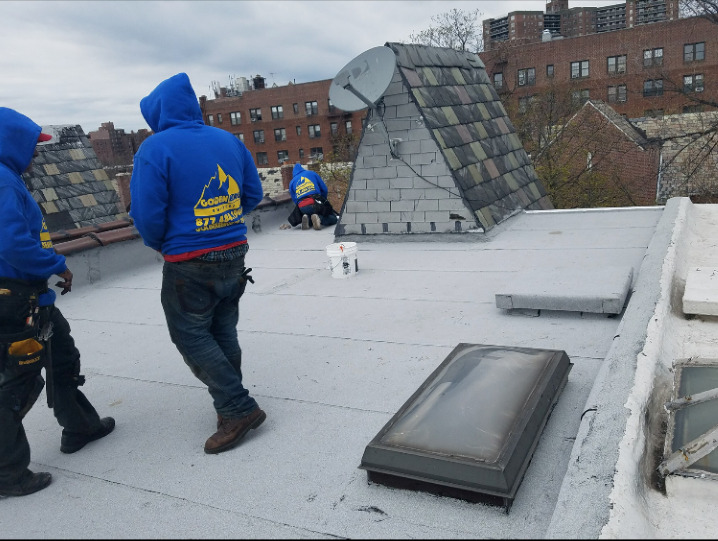
Modified bitumen roof maintenance in NYC is essential for property owners who want to protect their flat roofs from premature damage and expensive repairs. In New York City, where buildings are constantly exposed to changing weather conditions, even a durable roofing system like modified bitumen requires consistent care.
Many commercial and residential properties rely on modified bitumen because of its strength and resistance to foot traffic. However, without proper maintenance, issues such as cracks, water pooling, and membrane deterioration can develop over time. A structured maintenance approach helps extend the life of the roof and ensures long-term performance.
Understanding Modified Bitumen Roofing Systems
Modified bitumen is a multi-layer roofing system designed for flat and low-slope roofs. It is made by combining asphalt with modifiers that improve flexibility and durability. This material is reinforced with fiberglass or polyester, making it highly resistant to tears and environmental stress.
In NYC, modified bitumen roofs are commonly used on apartment buildings and commercial properties because they can handle heavy usage and provide strong waterproofing. Despite these advantages, regular inspections and maintenance are necessary to keep the system performing efficiently.
Why Maintenance Matters for NYC Flat Roofs
Flat roofs in NYC face a combination of environmental and structural challenges. Heavy rainfall, snow accumulation, and temperature fluctuations create stress on roofing materials. Modified bitumen roofs expand and contract with temperature changes, which can eventually lead to surface damage if not monitored.
Another common issue is ponding water. Since flat roofs do not drain as easily as sloped roofs, water can sit on the surface for extended periods. This weakens the membrane and increases the risk of leaks.
Regular maintenance helps detect these problems early and prevents them from turning into major repairs. Property owners who invest in routine care often avoid costly replacements and extend the lifespan of their roofs.
Modified Bitumen Roof Maintenance Checklist NYC
A proper maintenance checklist ensures that every critical area of the roof is inspected and maintained.
Inspect the Roof Surface
Start by examining the surface of the roof for visible damage. Look for cracks, blisters, or areas where the membrane appears worn. These signs indicate that the material is beginning to deteriorate and may need repair.
Small surface issues can often be fixed quickly, but ignoring them can lead to more serious structural damage.
Check for Ponding Water
Water that remains on the roof for more than two days should be addressed immediately. Ponding water is one of the leading causes of flat roof damage in NYC.
Ensure that the roof has proper drainage and that no areas are holding water. Adjusting the slope or clearing blockages can help resolve this issue.
Inspect Seams and Flashing
Seams and flashing are the most vulnerable parts of a modified bitumen roof. These areas are more likely to develop leaks if they become loose or damaged.
Check around vents, skylights, and edges to ensure that all flashing is secure. Resealing these areas when necessary prevents water infiltration.
Clear Debris and Drainage Systems
Leaves, dirt, and debris can block drains and cause water buildup. Regular cleaning is essential to maintain proper drainage.
Make sure gutters and downspouts are clear and functioning properly. This simple step can significantly reduce the risk of water damage.
Examine Roof Penetrations
Commercial roofs often have multiple penetrations, such as HVAC units and vents. These areas should be inspected carefully for signs of wear or gaps in sealing.
Proper sealing around penetrations ensures that water does not seep into the building.
Check for Membrane Wear and Aging
Over time, modified bitumen membranes may show signs of aging. This includes surface cracks, discoloration, or loss of flexibility.
Identifying these signs early allows for timely repairs and helps extend the life of the roof.
Schedule Professional Inspections
While routine checks can be done by property owners, professional inspections are necessary for a thorough evaluation.
Experts can identify hidden issues that are not visible during a basic inspection. Scheduling inspections at least twice a year is recommended for NYC properties.
Seasonal Maintenance Tips for NYC Properties
Seasonal changes in NYC require different maintenance approaches.
During winter, snow and ice can accumulate on flat roofs. Removing excess snow reduces stress on the structure and prevents ice damage.
In spring, inspect the roof for damage caused by winter conditions. This is the best time to address any cracks or leaks.
Summer heat can cause expansion in roofing materials. Checking for blistering or surface damage during this season is important.
In the fall, clearing debris becomes a priority to prepare the roof for winter. Keeping drains clear ensures proper water flow during heavy rainfall.
Common Maintenance Mistakes to Avoid
One of the biggest mistakes property owners make is neglecting regular inspections. Waiting until a leak appears often means the damage has already spread.
Another mistake is attempting complex repairs without professional help. Improper repairs can worsen the problem and increase costs.
Ignoring drainage issues is also a common oversight. Blocked drains lead to water accumulation, which accelerates roof deterioration.
Avoiding these mistakes ensures that your maintenance efforts are effective and long-lasting.
Benefits of Regular Maintenance
Consistent maintenance offers several advantages. It extends the lifespan of the roof and reduces the likelihood of major repairs. It also improves energy efficiency by maintaining proper insulation.
Well-maintained roofs enhance property value and provide peace of mind for building owners. In a city like NYC, where repair costs can be high, preventive maintenance is a smart investment.
When to Consider Repairs or Replacement
Even with proper maintenance, there comes a time when repairs or replacement may be necessary.
If the roof has widespread damage or frequent leaks, it may be more cost-effective to consider replacement. On the other hand, localized issues can often be resolved with targeted repairs.
A professional assessment helps determine the best course of action based on the condition of the roof.
Conclusion
Modified bitumen roof maintenance in NYC is a critical part of protecting your property from long-term damage. Regular inspections, timely repairs, and proper cleaning can significantly extend the life of your flat roof.
Ignoring maintenance may lead to costly repairs that could have been avoided. Taking a proactive approach ensures that your roof remains strong and reliable throughout the year.
If you want to keep your roof in top condition, professional support can make all the difference.
Call (212) 457-1324 today to schedule a maintenance inspection and ensure your modified bitumen roof performs at its best in NYC.
FAQs
How often should modified bitumen roofs be maintained in NYC?
Modified bitumen roofs should be inspected and maintained at least twice a year and after major weather events.
What is the most common issue with modified bitumen roofs?
The most common issues include ponding water, cracks, and seam damage caused by weather exposure and aging.
Can I perform roof maintenance myself?
Basic tasks like cleaning debris can be done by property owners, but professional inspections are recommended for thorough evaluation.
How long does a modified bitumen roof last?
With proper maintenance, a modified bitumen roof can last between 20 and 30 years.
Why is drainage important for flat roofs?
Proper drainage prevents water accumulation, which can weaken the roofing membrane and lead to leaks.