Flat roofing systems are a common sight across New York City. From residential brownstones in Brooklyn to multifamily buildings in Queens and commercial properties in Manhattan, EPDM flat roofs have become a preferred choice because of their durability and cost efficiency. However, like any roofing system, EPDM requires consistent inspection to perform well over time.
In a city like NYC where weather conditions can shift from heavy snow in winter to intense summer heat, regular inspections are not just recommended, they are essential. A small issue left unnoticed can quickly turn into a costly repair or even a full replacement. That is why having a proper inspection checklist helps property owners stay ahead of problems.
This guide walks you through a practical and professional roof inspection checklist for EPDM flat roofs in NYC so you can protect your investment and extend the lifespan of your roof.
Understanding EPDM Flat Roofing Systems
EPDM stands for Ethylene Propylene Diene Monomer, a synthetic rubber roofing membrane widely used for flat roofs. It is known for its flexibility, weather resistance, and long service life.
In NYC, EPDM roofs are popular because they can handle temperature fluctuations and UV exposure. However, despite its strength, the membrane can still develop issues such as punctures, seam separation, or drainage problems if not properly maintained.
Routine inspections help detect these issues early and ensure that your roof continues to perform efficiently.
Why Regular Roof Inspections Matter in NYC
New York City buildings face unique challenges. Seasonal weather changes, heavy rainfall, snow accumulation, and urban debris all contribute to roof wear and tear.
Regular inspections help in identifying hidden problems before they escalate. They also help maintain compliance with local building standards and insurance requirements. For property owners, this means fewer emergency repairs and better long term savings.
A well maintained EPDM roof can last up to 25 to 30 years, but only if it is inspected and serviced consistently.
Complete Roof Inspection Checklist for EPDM Flat Roofs
Inspect the EPDM Membrane Surface
Start by examining the main surface of the roof. Look for visible damage such as cracks, punctures, or blistering. EPDM membranes are durable but can still get damaged due to foot traffic or falling debris.
Pay attention to areas where the membrane looks stretched or uneven. These can be early signs of structural stress or water accumulation underneath the surface.
Check for Ponding Water
Flat roofs are prone to water pooling, especially after heavy rain. While EPDM can handle some moisture, standing water for extended periods can weaken the membrane.
Inspect low areas where water tends to collect. If water remains for more than 48 hours, it indicates a drainage issue that needs attention.
Examine Seams and Joints
EPDM roofing systems are installed in sheets that are joined together with seams. Over time, these seams can loosen or separate due to temperature changes.
Carefully inspect all seams and joints for signs of lifting or gaps. Even a small separation can allow water to seep in and cause leaks.
Inspect Flashing Areas
Flashing is installed around roof penetrations such as vents, HVAC units, and skylights. These are common points where leaks develop.
Check the flashing for cracks, gaps, or signs of deterioration. Ensure that it is securely attached and properly sealed.
Look at Roof Edges and Parapets
Roof edges and parapet walls are often exposed to wind and weather. This makes them vulnerable to damage.
Inspect these areas for loose materials, cracks, or separation from the membrane. Proper sealing at the edges is critical to prevent water intrusion.
Check Drainage Systems
An effective drainage system is essential for any flat roof. In NYC buildings, clogged drains are a common issue due to debris buildup.
Inspect roof drains, gutters, and downspouts. Remove any leaves, dirt, or debris that may block water flow. Poor drainage can lead to ponding and structural damage.
Evaluate Roof Penetrations
Any object that penetrates the roof surface can become a weak point. This includes pipes, vents, and mechanical equipment.
Check the seals around these penetrations. Make sure there are no cracks or gaps that could allow water infiltration.
Assess Insulation Condition
In some cases, issues with insulation may not be visible from the surface. However, signs such as uneven roofing or soft spots can indicate insulation problems.
If you notice these signs, a professional inspection may be needed to assess the underlying layers.
Look for Signs of Mold or Moisture
Moisture trapped within the roofing system can lead to mold growth. This not only damages the roof but can also affect indoor air quality.
Check for any unusual odors, discoloration, or damp areas. These could indicate hidden moisture issues.
Review Previous Repairs
If your EPDM roof has been repaired in the past, inspect those areas carefully. Poor workmanship or aging patches can fail over time.
Ensure that previous repairs are still intact and functioning as intended.
Seasonal Inspection Tips for NYC Property Owners
In NYC, it is recommended to inspect your EPDM flat roof at least twice a year. Ideally, inspections should be done in spring and fall.
Spring inspections help identify damage caused by snow and ice. Fall inspections prepare your roof for the upcoming winter season.
Additionally, always inspect your roof after major storms. High winds and heavy rainfall can cause sudden damage that needs immediate attention.
When to Call a Professional Roofing Contractor
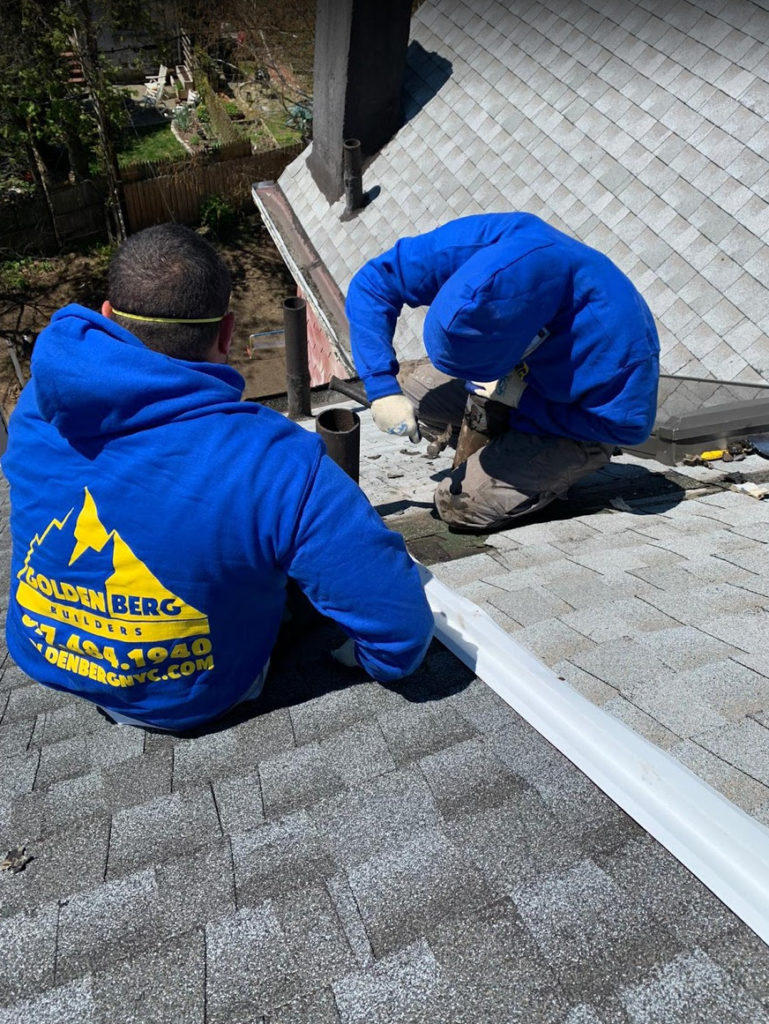
While basic inspections can be done by property owners, certain issues require professional expertise.
If you notice persistent leaks, structural concerns, or extensive membrane damage, it is best to contact a professional roofing contractor. They have the tools and experience to conduct a thorough inspection and recommend the right solutions.
For expert EPDM flat roof inspection and repair services in NYC, you can call (212) 457-1324 to schedule a consultation.
Common Mistakes to Avoid During Roof Inspection
Many property owners make the mistake of only checking visible areas. Hidden issues often go unnoticed until they become serious problems.
Another common mistake is delaying inspections. Waiting too long can turn minor issues into expensive repairs.
Using improper tools or walking on the roof without caution can also damage the membrane. Always prioritize safety and consider professional help when needed.
How Regular Inspections Extend Roof Lifespan
Routine inspections do more than just prevent leaks. They help maintain the overall health of your roofing system.
By identifying and fixing small issues early, you can avoid major repairs and extend the life of your EPDM roof. This not only saves money but also improves the value of your property.
A proactive approach to roof maintenance ensures that your building remains protected throughout the year.
Conclusion
EPDM flat roofs are a reliable and durable option for NYC properties, but they require regular care to perform at their best. With the right inspection checklist, property owners can identify potential issues early and take corrective action before problems escalate.
From checking the membrane surface to ensuring proper drainage, every step plays a crucial role in maintaining the integrity of your roof. In a city like New York where weather and environmental factors can take a toll on roofing systems, staying proactive is the key to long term performance.
If you want a professional inspection or need help maintaining your EPDM flat roof, do not wait for visible damage to appear. Call (212) 457-1324 today and schedule your expert roof inspection. Protect your investment and keep your property safe year round.
EPDM Flat Roof Inspection FAQ
How often should EPDM flat roofs be inspected in NYC?
EPDM flat roofs should be inspected at least twice a year, typically in spring and fall, along with additional checks after major storms.
What are the common signs of EPDM roof damage?
Common signs include cracks, punctures, seam separation, ponding water, and leaks inside the building.
Can EPDM roofs handle standing water?
EPDM roofs can tolerate minor ponding, but standing water for extended periods can weaken the membrane and should be addressed quickly.
Is professional inspection necessary for EPDM roofs?
Yes, professional inspections help identify hidden issues and ensure proper maintenance, especially for larger or older roofing systems.
How long does an EPDM flat roof last?
With proper maintenance and regular inspections, an EPDM flat roof can last between 25 to 30 years.