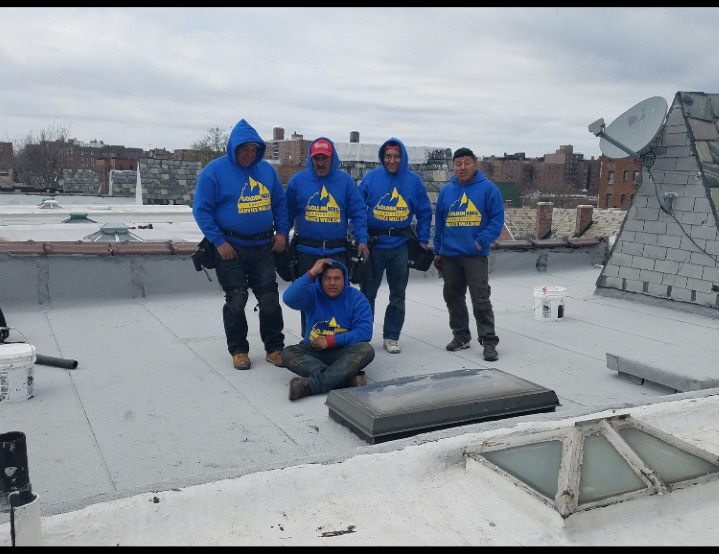
Flat roof inspection NYC is essential for maintaining brownstone buildings and preventing costly structural damage. In a city like New York, where roofs face constant exposure to rain, snow, and debris, even minor issues can quickly escalate if left unchecked. Regular inspections help property owners identify problems early and protect their investment.
Rain, snow, heat, and debris all impact your roof throughout the year. Small issues like a clogged drain or a tiny crack may not seem serious at first. But if ignored, they can quickly turn into expensive structural damage.
That’s why regular inspections matter. A simple, consistent approach can help you catch issues early and avoid major repairs.
Why Brownstone Roofs Need Regular Inspection
Brownstone roofs are different from modern roofing systems. Most of these buildings have older materials and multiple repair layers. This makes them more vulnerable to hidden damage.
Parapet walls, which are common in brownstones, also increase the risk of water entry. Drainage systems may not work as efficiently as newer ones. Because of this, problems often develop slowly and go unnoticed.
Regular inspections help you stay ahead of these issues and protect your property long term.
What to Check During a Flat Roof Inspection
Roof Surface Condition
Start by looking at the overall surface. Walk carefully and check for visible damage. Cracks, bubbles, or worn-out areas usually mean the material is aging.
Pay attention to how the roof feels. If you notice soft or spongy spots, moisture may be trapped underneath. This is a warning sign that needs attention.
Water Drainage and Ponding
After rainfall, observe how water behaves on the roof. Water should drain quickly. If it sits for more than a day, there is likely a drainage issue.
Check all drains and scuppers. Remove any debris blocking the flow. In NYC, leaves and dirt build up fast and often cause water pooling.
Flashing and Roof Details
Flashing protects the most vulnerable parts of the roof. These include areas around vents, skylights, and chimneys.
Look closely for cracks or gaps. Even a small opening can allow water to enter. Make sure all flashing is sealed tightly and remains secure.
Parapet Walls and Edges
Parapet walls take direct exposure from weather. Over time, cracks can develop in the masonry.
Inspect the walls for loose bricks or damaged mortar. Also check the coping at the top. If it is loose or poorly sealed, water can seep in from above.
Roof edges also need attention. Weak edges can allow water to slip under the roofing layer.
Seams and Previous Repairs
Many brownstone roofs have repair patches. These areas often become weak points over time.
Inspect all seams and patched sections. Look for lifting edges or separation. If repairs look worn out, they may need to be redone properly.
Interior Warning Signs
Sometimes the first signs of roof damage appear inside the building.
Check ceilings and walls for water stains or peeling paint. A musty smell can also indicate moisture problems.
If you notice any of these signs, the issue may already be advanced.
When and How Often You Should Inspect
In NYC, timing your inspection makes a big difference.
Inspect your roof at least twice a year. Spring inspections help you identify winter damage. Fall inspections prepare your roof for snow and cold weather.
You should also check the roof after heavy storms. Strong winds and rain can cause sudden damage that needs quick attention.
When to Call a Professional
Basic inspections help, but some problems need expert evaluation.
If you see repeated leaks, large damaged areas, or structural concerns, it’s time to call a professional. Brownstone roofs often hide deeper issues that are not visible on the surface.
An experienced contractor can identify these problems and provide long term solutions.
For professional flat roof inspection services in NYC, call (212) 457-1324 and schedule an expert visit.
Conclusion
Flat roofs on brownstone buildings require consistent attention. These roofs age over time and face constant exposure to NYC weather. Without regular inspection, small issues can quickly become serious problems.
By checking the surface, drainage, flashing, and structural elements, you can protect your roof and extend its lifespan.
If you want to avoid costly repairs and keep your property in top condition, take action today.
Call (212) 457-1324 to schedule a professional inspection and protect your brownstone investment.
Flat Roof Inspection FAQs for Brownstone Buildings
How often should brownstone flat roofs be inspected in NYC?
Brownstone flat roofs should be inspected at least twice a year and after major weather events to ensure early detection of potential issues.
What is the biggest risk for flat roofs in brownstone buildings?
The biggest risk is water accumulation due to poor drainage, which can lead to leaks and structural damage over time.
Are older brownstone roofs more prone to leaks?
Yes, older roofs often have layered materials and aging components that increase the risk of hidden leaks and moisture buildup.
Can clogged drains really damage a flat roof?
Yes, clogged drains can cause water to pool on the roof, increasing pressure on the membrane and leading to leaks.
When should I call a professional for roof inspection?
You should call a professional if you notice leaks, visible damage, or if your roof has not been inspected for a long time.