Quick Answer : Shingle roofing is usually the most affordable choice for NYC homes, while slate offers a premium historic look and long lifespan. Metal roofing can be a strong option for durability, weather resistance, and low maintenance, but the best choice depends on your home style, budget, roof structure, and long-term plans.
Choosing the right roofing materials NYC homeowners can trust is one of the most important decisions in any roof replacement or new roof installation project. A roof has to protect the home from rain, snow, wind, summer heat, freeze-thaw cycles, and long-term wear. At the same time, it should match the property’s structure, style, budget, and maintenance expectations.
For many NYC homeowners, the most common options include shingle roofing NYC, slate roofing NYC, and metal roofing NYC. Each material has a different cost range, lifespan, appearance, installation process, and long-term value.
Asphalt shingles are often chosen for affordability and versatility. Slate is known for premium beauty and exceptional longevity. Metal roofing offers durability, energy efficiency, and strong weather resistance. However, the best option depends on the home itself. A brownstone, townhouse, modern single-family property, and luxury residence may not all need the same roofing solution.
This guide compares shingle, slate, and metal roofing so NYC homeowners can make a smarter, more confident decision.
Why Choosing the Right Roofing Materials in NYC Matters
The right roofing material can improve protection, reduce repair costs, support curb appeal, and extend the life of the home. The wrong material can lead to early leaks, poor performance, structural stress, or higher maintenance costs.
NYC’s Weather Creates Unique Roofing Challenges
NYC weather can be tough on residential roofs. Heavy rain can expose weak flashing and worn materials. Snow and ice can create extra weight and drainage problems. Freeze-thaw cycles can expand small cracks. Summer heat and UV exposure can dry out materials and shorten roof life.
Because of this, roofing materials should be chosen for more than appearance. A roof that looks good but does not handle the local climate well may require frequent repairs.
Wind is another factor. Shingles, slate tiles, and metal panels all respond differently to high winds and storm conditions. Proper installation matters just as much as the material itself.
How Roofing Materials Affect Long-Term Home Value
A roof is one of the most visible and important parts of a home’s exterior. It affects buyer confidence, insurance discussions, inspection results, and property value. A strong roof can make a home feel well-maintained, while an aging or mismatched roof may raise concerns.
Slate can add a premium historic look. Metal can support a modern, energy-conscious appearance. Shingles can provide a clean and familiar residential style at a more manageable cost.
The best material should support both protection and resale appeal.
Factors Every NYC Homeowner Should Consider Before Choosing a Roof
Before choosing a roofing material, homeowners should think about budget, lifespan, maintenance, roof slope, structural strength, neighborhood style, and how long they plan to stay in the home.
A short-term homeowner may prioritize a lower upfront cost. A long-term homeowner may want a roof with longer service life. A historic property owner may need a material that matches the building’s character.
A professional roof inspection should always come first. The roof deck, slope, ventilation, flashing, and structure can all affect which material is practical.
Shingle Roofing NYC: Cost, Lifespan, Pros and Cons
Shingle roofing NYC homeowners choose remains one of the most popular residential roofing options because it is affordable, flexible, and available in many colors and styles. Asphalt shingles are especially common on sloped residential roofs.
What Are Asphalt Shingles?
Asphalt shingles are roofing materials made with a fiberglass or organic base, asphalt coating, and protective granules. They are installed in overlapping rows to shed water from the roof surface.
Architectural shingles are often preferred over basic three-tab shingles because they offer a thicker look and stronger appearance. They can mimic some dimensional style without reaching the cost of slate or metal.
Shingles are best suited for sloped roofs. They are not intended for flat or very low-slope roofing systems where water does not drain quickly.
Average Installation Cost and Expected Lifespan
Shingle roofing is usually the most budget-friendly option among shingle, slate, and metal. Current cost references show that shingle roof pricing depends on roof size, pitch, removal, decking repairs, permits, and warranties. Angi notes that shingle removal can add $1 to $5 per square foot and roof decking repairs may add $2 to $5 per square foot, while New York roof replacement guides place many architectural-shingle replacements in a broad range depending on size and complexity.
In terms of lifespan, asphalt shingles often last around 20 to 30 years, depending on material quality, installation, ventilation, weather exposure, and maintenance.
Advantages of Shingle Roofing
Shingles offer a strong balance of affordability and appearance. They are available in many styles, which makes them easy to match with different residential properties.
Repairs are often simpler than slate or metal repairs. If a few shingles are damaged, a contractor may be able to replace the affected area without replacing the entire roof.
Shingles are also familiar to most roofing contractors. This can make installation, maintenance, and repair more straightforward when compared with premium specialty materials.
When Shingle Roofing Is the Best Choice for NYC Homes
Shingle roofing is often a good choice for homeowners who want reliable protection without the higher upfront cost of slate or metal. It works well for many sloped residential homes, smaller properties, and homeowners who want a practical roof replacement.
It may also be a smart choice when the home’s structure is not designed for the weight of slate. Shingles are lighter and easier to install on many standard roof structures.
However, shingles may not be the best fit for luxury historic homes where a slate appearance is expected or for homeowners who want the longest possible roof lifespan.
Slate Roofing NYC: Premium Beauty with Exceptional Durability
Slate roofing NYC homeowners consider is often viewed as a premium roofing option. It offers natural beauty, historic character, and exceptional longevity when installed correctly on a structure that can support it.
Why Slate Is Considered a Premium Roofing Material
Slate is a natural stone roofing material. It has a distinctive appearance that works especially well with historic homes, brownstones, high-end residences, and properties where architectural character matters.
Unlike asphalt shingles, slate does not try to imitate another material. Its beauty comes from natural color variation, texture, and traditional craftsmanship.
Slate is also known for long-term durability. Some slate roofs can last many decades, and quality slate may last far longer than standard roofing materials when properly installed and maintained.
Cost vs Long-Term Value
Slate roofing costs more upfront than asphalt shingles and many metal systems. General cost references place slate roofing in a higher price range, with The Spruce noting slate can be expensive and may range around $10 to $25 per square foot, while other homeowner cost references place average slate installation even higher depending on roof size and complexity.
The long-term value comes from lifespan. Slate can last 50 to 200 years depending on slate quality, installation, roof structure, climate, and maintenance.
For homeowners planning to stay long-term, slate can be a strong investment. For short-term ownership, the high upfront cost may be harder to justify.
Maintenance Requirements and Structural Considerations
Slate is durable, but it is not maintenance-free. Broken tiles should be repaired by contractors who understand slate roofing. Walking on slate can crack tiles, so inspections and repairs must be handled carefully.
Structural strength is one of the biggest concerns. Slate is heavy. Before installing slate, the roof structure must be evaluated to confirm that it can carry the added weight.
Flashing also matters. A slate roof may last a long time, but flashing, gutters, and fasteners may need maintenance or replacement sooner than the slate itself.
Best Homes for Slate Roofing in NYC
Slate roofing is often best for historic brownstones, luxury homes, architecturally significant properties, and homeowners who want a premium appearance with long service life.
It may also be appropriate when the neighborhood style supports the look. In some historic areas, slate may match the original character of the property better than modern materials.
However, slate is not ideal for every home. It requires budget, structural support, proper installation, and specialized maintenance.
Metal Roofing NYC: Modern Performance and Energy Efficiency
Metal roofing NYC homeowners consider has become more popular because it offers durability, modern style, energy efficiency, and lower maintenance compared with some traditional materials.
Types of Metal Roofing Systems
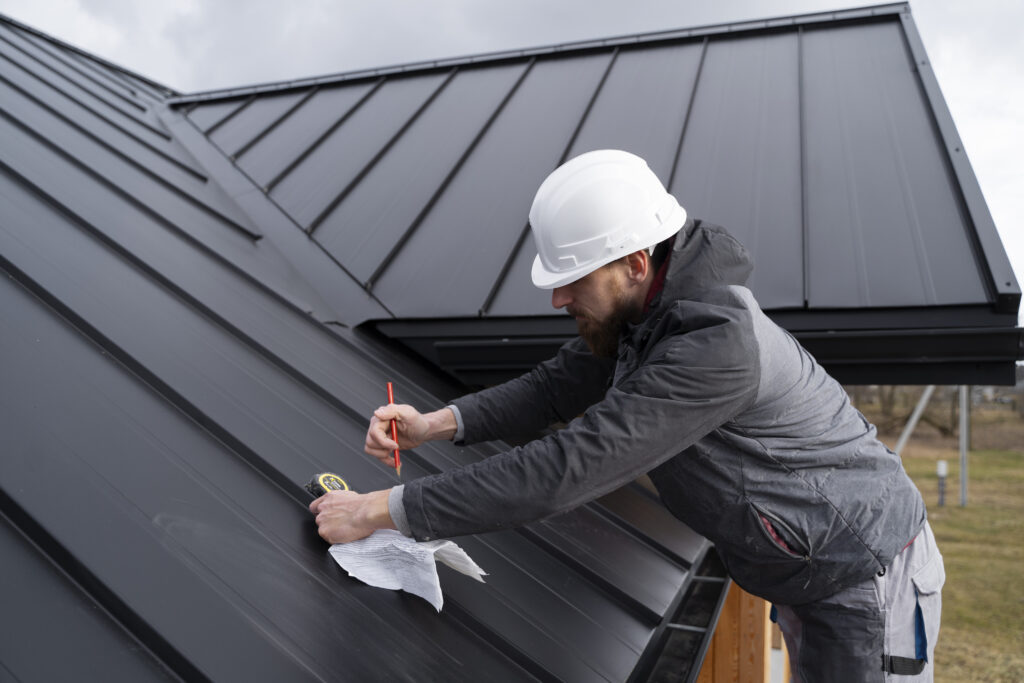
Residential metal roofing comes in several forms. Standing seam metal roofing is one of the most common premium options. It uses raised seams and concealed fasteners for a clean, modern look.
Metal shingles and metal tiles can also be used when homeowners want a more traditional appearance. These systems may imitate slate, wood, or shingles while still offering metal performance.
Common metals include steel, aluminum, zinc, and copper. Each has different cost, appearance, weight, and durability characteristics.
Lifespan, Maintenance, and Weather Resistance
Metal roofing usually lasts longer than asphalt shingles. State Farm notes that metal roofs can last 40 to 80 years depending on the material, which is significantly longer than the typical lifespan of asphalt shingles.
Metal roofs are also resistant to many weather conditions when installed properly. They can shed snow effectively on sloped roofs and resist some forms of cracking or drying that affect other materials.
Maintenance is usually lower than asphalt shingles, but metal still needs inspection. Fasteners, seams, flashing, coatings, and penetrations should be checked regularly.
Energy Efficiency and Sustainability Benefits
Metal roofs can reflect solar heat, especially when lighter colors or reflective coatings are used. This can help reduce heat gain during summer and support better energy performance.
Metal roofing is also often recyclable, which can appeal to homeowners who value sustainability.
However, energy performance depends on more than the surface material. Insulation, ventilation, roof color, attic airflow, and installation quality all affect results.
Ideal Applications for Residential Homes in NYC
Metal roofing can work well for modern homes, luxury renovations, townhouses with suitable roof design, and homeowners looking for durability with lower maintenance.
It can also be a good option when a homeowner wants a long-term roofing investment but does not want the weight or maintenance concerns of slate.
Metal may not be ideal when the home’s architecture calls for a traditional historic look, unless a compatible metal shingle or specialty metal system is chosen.
Roof Lifespan Comparison Between Shingle, Slate, and Metal
A roof lifespan comparison helps homeowners understand the long-term value of each material. Upfront cost matters, but it should not be the only factor. A roof that costs more at installation may save money over time if it lasts much longer and requires fewer major repairs.
| Roofing Material | Typical Lifespan | General Cost Position | Maintenance Level | Best Long-Term Fit |
| Asphalt shingles | Around 20 to 30 years | Lowest upfront cost | Moderate | Budget-conscious homeowners and standard sloped roofs |
| Metal roofing | Around 40 to 80 years | Medium to high upfront cost | Low to moderate | Long-term owners wanting durability and energy performance |
| Slate roofing | Around 50 to 200 years | Highest upfront cost | Specialized maintenance | Historic, luxury, and long-term properties |
Expected Lifespan of Each Roofing Material
Asphalt shingles usually have the shortest lifespan among the three materials. Metal roofing generally lasts longer, while slate offers the longest potential lifespan when the structure can support it and the installation is done correctly.
Maintenance Costs Over Time
Shingle roofs may need more frequent repairs as they age. Missing shingles, granule loss, curling, and flashing issues can become more common.
Metal roofs often need fewer repairs, but when damage happens, repairs may require specialized knowledge. Slate roofs can last a very long time, but cracked tiles and flashing work should be handled by professionals with slate experience.
Which Roofing Material Offers the Best Long-Term Value?
The best long-term value depends on the homeowner’s goals. Shingles usually offer the best short-term affordability. Metal often offers a strong balance of lifespan, durability, and maintenance. Slate can offer exceptional long-term value for properties where premium appearance and longevity matter most.
How NYC Climate Affects Different Roofing Materials
NYC climate affects each roofing material differently. The same roof that performs well in a mild climate may face more stress in New York’s seasonal conditions.
Snow, Ice, and Freeze-Thaw Cycles
Snow and ice can stress every roof type. Asphalt shingles may crack or loosen as they age. Slate can handle winter well, but individual tiles may break if impacted or walked on incorrectly. Metal can shed snow effectively on sloped roofs, but seams, fasteners, and snow movement should be considered.
Freeze-thaw cycles can affect flashing, sealants, masonry, and roof edges. No material performs well if water is allowed to enter and freeze beneath the surface.
Summer Heat and UV Exposure
Summer heat can dry out asphalt shingles over time. Darker shingles may absorb more heat, which can contribute to attic heat buildup if ventilation is poor.
Metal roofs may reflect more heat when light-colored or coated systems are used. Slate handles UV exposure well, but surrounding flashing and underlayment still need attention.
In all cases, ventilation and proper installation help reduce heat-related stress.
Heavy Rain, Wind, and Storm Resistance
Heavy rain tests flashing, gutters, drainage, and roof penetrations. Wind can lift shingles, stress metal panels, or move debris across the roof.
Slate is heavy and stable, but broken tiles can create leak points. Metal can resist many storm conditions, but improper installation can lead to noise, fastener issues, or panel movement. Shingles must be installed correctly to resist wind uplift.
A roofing material is only as strong as the installation behind it.
Comparing Roofing Costs Beyond Installation
The true cost of a roof includes installation, maintenance, repair frequency, energy performance, and how long the roof lasts before replacement is needed.
Maintenance Expenses
Shingles may cost less upfront, but older shingle roofs often need more repairs. Metal roofs usually have lower maintenance needs, but inspections are still important. Slate maintenance is specialized and may cost more per repair, even though repairs may be less frequent when the roof is well installed.
Repair Frequency
Repair frequency depends on weather, roof slope, installation quality, and maintenance. Shingle roofs may need more frequent attention after storms or as they age. Metal roofs may need seam, fastener, coating, or flashing checks. Slate roofs may need tile replacement and flashing maintenance.
Ignoring small repairs can shorten the lifespan of any material.
Energy Savings and Return on Investment
Metal roofing may provide energy benefits when reflective coatings, proper insulation, and ventilation are used. Shingles can also perform well when paired with good attic ventilation. Slate provides strong durability and natural thermal mass, but energy performance still depends on the full roof assembly.
Return on investment should be measured by protection, lifespan, curb appeal, maintenance savings, and resale value.
Best Roofing Material for Different Types of NYC Homes
Different NYC homes need different roofing materials. The best choice should match the property’s style, structure, and long-term use.
Historic Brownstones
Historic brownstones often need materials that preserve character. Slate may be the best visual fit when the structure supports it and historic appearance matters.
However, some brownstones have flat roof areas where EPDM, TPO, or modified bitumen may be more appropriate than shingle, slate, or metal. Visible roofline details should be reviewed carefully, especially in historic districts.
Modern Residential Homes
Modern residential homes may work well with metal roofing because of its clean appearance, long lifespan, and energy performance. Architectural shingles may also be a good choice for homeowners who want affordability with a traditional look.
The final decision should depend on slope, budget, and design goals.
Luxury Homes
Luxury homes often benefit from premium materials. Slate can provide a timeless high-end appearance, while standing seam metal can create a modern luxury look.
Both options require skilled installation. A premium material installed poorly can still fail early.
Multi-Family Residential Properties
Multi-family properties need roofing materials that balance cost, durability, maintenance, and tenant protection. Shingles may work for sloped sections, while metal may be a good fit for long-term durability.
For flat roof areas, property owners may need a flat roof system instead of these three materials. A professional inspection can identify which roof sections need which systems.
How to Choose the Right Roofing Material for Your Home in NYC
Choosing among shingle, slate, and metal roofing should begin with a roof inspection and a clear understanding of the home’s structure.
Consider Your Budget
Budget matters, but it should include both upfront and long-term costs. Shingles usually cost less at installation. Metal costs more but lasts longer. Slate costs the most but can provide unmatched longevity and beauty.
The right budget decision depends on how long you plan to own the home and how much maintenance you are willing to manage.
Think About Long-Term Ownership
If you plan to stay in your home for decades, metal or slate may offer stronger long-term value. If you need a practical replacement at a lower cost, shingles may be the better choice.
Long-term owners should also consider energy performance, repair frequency, and future resale value.
Match Roofing Material to Your Home’s Architecture
A roof should look like it belongs on the home. Shingles work well on many standard residential properties. Slate suits historic and premium homes. Metal can fit modern homes and some architectural renovations.
Material choice should improve the home’s appearance, not fight against it.
Work with an Experienced Roofing Contractor
A roofing contractor should inspect the roof, explain material options, compare costs, review lifespan expectations, and check structural conditions. Goldenberg Roofing NYC lists shingle roofing, slate roofing, roof replacement, roof inspection, residential roofing, flat roofing, gutters, siding, and masonry among its services, which makes material comparison part of a broader roof planning process.
The contractor should also explain warranty coverage, installation methods, maintenance needs, and whether the existing roof structure can support the chosen material.
Conclusion: Which Roofing Material Is Right for Your NYC Home?
Shingle roofing offers affordability, versatility, and a familiar residential appearance. It is often the best option for homeowners who want dependable protection with a lower upfront cost.
Metal roofing delivers outstanding durability, energy efficiency, and lower maintenance. It works well for modern homes, long-term ownership plans, and homeowners who want a strong balance between performance and style.
The best roofing material depends on your budget, home’s structure, maintenance expectations, architectural style, and long-term goals. Investing in quality materials and professional installation helps maximize roof performance and lifespan.
Ready to choose the best roofing material for your home? Goldenberg Roofing NYC provides professional roof inspections, shingle roofing, slate roofing, roof replacement, roof repair, flat roofing, gutter work, siding, and masonry services throughout NYC. Contact Goldenberg Roofing NYC today at (212) 457-1324 for a professional roof inspection and personalized recommendation, or visit us at 1274 5th Ave, New York, NY 10029. Our experienced roofing specialists will help you compare shingle, slate, and metal roofing options to find the ideal solution for your NYC property.
FAQs: Shingle vs. Slate vs. Metal Roofing in NYC
Which roofing material lasts the longest for homes in NYC?
Slate roofing usually lasts the longest when it is properly installed and maintained on a structure that can support its weight. Metal roofing also offers a long lifespan and strong durability. Asphalt shingles have a shorter lifespan but remain popular because they are affordable and versatile.
Is shingle roofing a good option for NYC weather?
Yes, shingle roofing can be a good option for many NYC homes with sloped roofs. It performs best when installed correctly with proper flashing, ventilation, and maintenance. However, shingles may need more repairs over time than slate or metal, especially after wind, snow, and heavy rain exposure.
How much does metal roofing cost compared to asphalt shingles in NYC?
Metal roofing usually costs more upfront than asphalt shingles, but it often lasts longer and may require less maintenance. Asphalt shingles are usually the more affordable option at installation, while metal roofing may offer stronger long-term value for homeowners planning to stay in the property for many years.
Is slate roofing worth the higher investment for residential homes?
Slate roofing can be worth the higher investment for historic homes, luxury properties, and long-term homeowners who want premium beauty and exceptional longevity. However, slate is heavy and requires specialized installation, so the roof structure must be inspected before choosing it.
Which roofing material requires the least maintenance?
Metal roofing usually requires less routine maintenance than asphalt shingles, although it still needs inspections for seams, fasteners, flashing, and coatings. Slate can last a very long time but requires specialized maintenance when tiles break. Shingles are easier to repair but may need attention more often as they age.
What factors should homeowners consider when comparing roofing materials in NYC?
Homeowners should consider budget, roof slope, structural strength, expected lifespan, maintenance needs, architectural style, neighborhood character, energy performance, and how long they plan to stay in the home. A professional roof inspection can help determine which material fits the property best.
How do I know which roofing material is best for my home’s structure?
The best way to know is to schedule a professional roof inspection. A roofing contractor can evaluate the roof deck, slope, framing, ventilation, existing materials, and weight capacity. This is especially important before choosing heavy materials like slate or specialty systems like standing seam metal.