
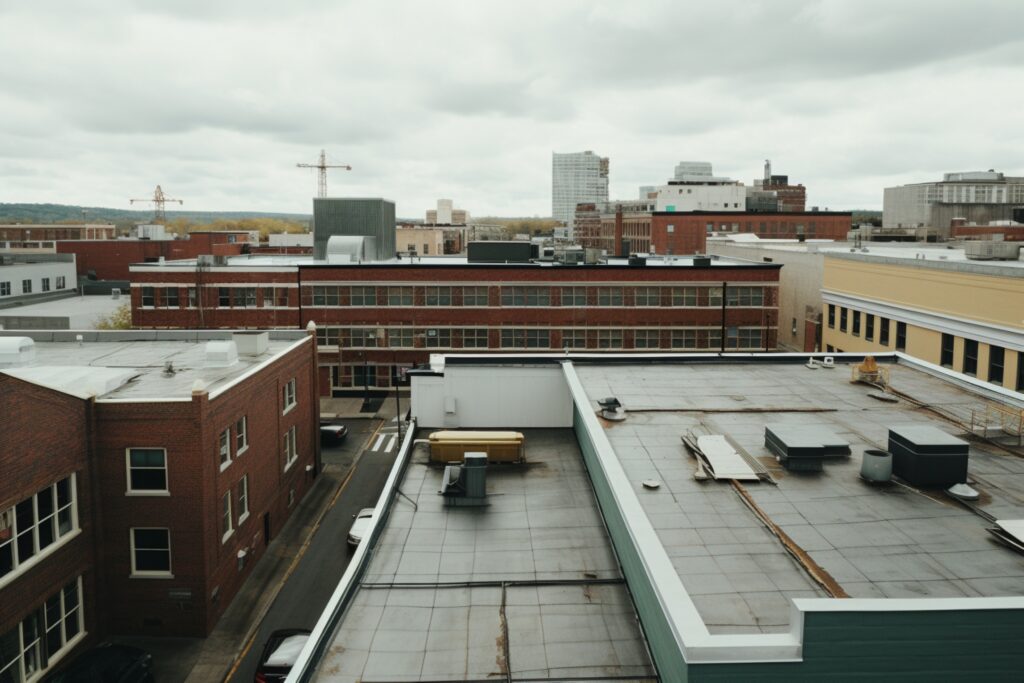
Quick Answer : Commercial roofing in NYC includes flat roof systems, membrane repairs, leak detection, drainage maintenance, coatings, and full roof replacement. Costs depend on roof size, material, access, existing damage, insulation needs, and how much work is required to keep the building protected.
A strong commercial roofing NYC system protects more than a building. It protects daily operations, tenants, employees, customers, equipment, inventory, insulation, utilities, and long-term property value. Unlike many residential roofs, commercial roofs often cover larger areas, support rooftop equipment, handle more foot traffic, and require stronger maintenance planning.
Many NYC commercial properties use a commercial flat roof because flat and low-slope systems fit dense urban buildings, warehouses, retail spaces, offices, mixed-use buildings, and multi-family properties. These roofs can perform well, but they need the right material, proper drainage, quality installation, and regular inspections.
NYC weather creates extra stress through heavy rain, snow, ice, summer heat, wind, freeze-thaw cycles, and rooftop debris. Older buildings and local code requirements add more planning needs. Goldenberg Roofing NYC provides residential and commercial roofing, flat roofing, roof repair, roof replacement, leak diagnostics, and TPO, EPDM, and SBS flat roofing systems across NYC.
This guide explains commercial roofing systems, repair issues, costs, maintenance, weather impact, contractor selection, and replacement signs.
Why Commercial Roofing in NYC Requires Specialized Roofing Systems
Commercial roofing NYC property owners need is different from standard residential roofing. A business roof must protect a larger structure, support more systems, and stay reliable under constant exposure. One leak can affect tenants, inventory, offices, equipment, electrical systems, and business operations.
Unique Challenges of Commercial Buildings in NYC
Commercial buildings in NYC often have large flat roofs, parapet walls, internal drains, scuppers, rooftop HVAC units, vents, skylights, access hatches, and mechanical equipment. These features make the roof more complex than a simple sloped residential roof.
A commercial roof may also serve several tenants or business areas at the same time. If water enters one section, it can affect ceiling tiles, flooring, wiring, stockrooms, customer areas, or workspaces. Because of this, commercial roofing needs stronger planning and faster response when problems appear.
Access can also be difficult. Many NYC buildings have limited staging areas, narrow streets, active sidewalks, nearby buildings, and strict business hours. Material delivery, debris removal, crew safety, and tenant communication all need careful coordination.
Climate, Heavy Foot Traffic, and Urban Exposure
NYC commercial roofs face weather and traffic at the same time. Summer heat can stress roof membranes. Winter snow and ice can create ponding, freeze-thaw damage, and drainage problems. Heavy rain can expose weak seams, flashing, drains, and roof edges.
Foot traffic is another major issue. HVAC technicians, maintenance crews, solar installers, inspectors, and building staff may walk on the roof. Without proper walk pads or access paths, repeated movement can damage membranes and seams.
Urban exposure also adds debris. Trash, leaves, construction dust, rooftop equipment parts, and windblown materials can collect around drains and scuppers. If not removed, this debris can block water flow and create leaks.
Building Codes and Roofing Compliance for Commercial Properties
Commercial roofing projects may also involve permits, code requirements, energy rules, and safety standards. NYC DOB states that most construction in New York City requires approval and permits, although some minor alterations may not require a work permit.
For commercial properties, permit and code planning is especially important because the roof may affect occupancy, energy performance, drainage, fire safety, and structural load. A contractor should understand when a project may require DOB review and when additional professionals may need to be involved.
Compliance helps protect the owner from delays, violations, and future documentation problems.
Popular Commercial Roofing Systems Used Across NYC Buildings
Different roofing systems NYC commercial properties use are designed for different building types, budgets, drainage needs, and performance goals. Choosing the right system starts with a roof inspection and a clear understanding of how the building is used.
TPO Roofing Systems for Energy Efficiency
TPO is a popular single-ply membrane for commercial flat roofs. It is often chosen because of its reflective surface, clean appearance, and heat-welded seams. Many commercial property owners consider TPO when they want better heat reflection and modern membrane performance.
TPO can be useful on offices, retail buildings, mixed-use properties, and larger flat roofs. Its reflective surface may help reduce heat absorption during summer, especially when paired with good insulation and proper roof design.
However, installation quality matters. Seams, flashing, roof edges, drains, and rooftop equipment penetrations must be installed correctly. A strong TPO system can fail early if drainage is poor or if seams are not handled properly.
EPDM Roofing for Long-Term Durability
EPDM is a rubber roofing membrane used on many commercial flat roofs. It is known for flexibility, weather resistance, and reliable performance when maintained properly.
EPDM can handle temperature movement well, which is useful in NYC’s seasonal climate. It is often used on commercial roofs, multi-family properties, and low-slope buildings where flexibility and durability are important.
EPDM maintenance should include checking seams, punctures, flashing, drainage areas, and membrane shrinkage. A small puncture or seam issue can become a leak if it is not repaired early.
Modified Bitumen and Built-Up Roofing Systems
Modified bitumen and built-up roofing systems have been used on commercial flat roofs for many years. Modified bitumen offers layered protection and can be a practical choice for buildings that need durability and proven performance.
Built-up roofing uses multiple layers to create a strong roof surface. It may be suitable for certain commercial buildings, but it can be heavier and more labor-intensive than some single-ply systems.
These systems need regular inspection because cracks, blistering, ponding water, and aging surface materials can create leaks over time. They should be selected based on the roof deck, building use, drainage, budget, and maintenance expectations.
Metal Roofing for Commercial Facilities
Metal roofing may be used on some commercial facilities, warehouses, industrial buildings, and sloped commercial roofs. It offers durability, strong weather resistance, and long service potential when installed properly.
Metal systems can include standing seam panels, metal shingles, or structural metal roof panels. They may cost more upfront than some membrane systems, but they can offer long-term value for the right building.
Metal is not always the best choice for a low-slope commercial flat roof. Roof pitch, structural needs, insulation, fastening, expansion, and flashing details must be reviewed carefully.
Commercial Roof Repair NYC: Common Problems Businesses Face
Commercial roof repair NYC services are often needed when leaks, drainage issues, storm damage, or membrane failures threaten business operations. Many commercial roof problems start small, but they can spread quickly if ignored.
Roof Leaks and Water Intrusion
Roof leaks are one of the biggest commercial roofing problems. Water may enter through damaged seams, failed flashing, clogged drains, punctures, skylight edges, HVAC curbs, parapet walls, or roof penetrations.
Commercial leaks can be difficult to trace because water may travel under the roof membrane before appearing indoors. A stain inside the building may not be directly below the entry point.
A professional inspection should locate the actual leak source before repair begins. Guessing can lead to repeated patches and recurring leaks.
Ponding Water on Commercial Flat Roofs
Ponding water happens when water remains on the roof after rain or snow melt. On a commercial flat roof, this can be caused by poor slope, blocked drains, clogged scuppers, roof settlement, damaged insulation, or low areas in the roof surface.
Standing water can weaken membranes, stress seams, attract debris, and increase leak risk. It can also add weight to the roof structure.
Ponding should not be treated as normal if it happens repeatedly. Drainage improvements, tapered insulation, drain cleaning, or roof repairs may be needed.
Flashing, Membrane, and Drainage Failures
Flashing protects roof edges, walls, vents, skylights, rooftop units, and penetrations. If flashing cracks, lifts, rusts, or separates, water can enter even when the main roof surface looks good.
Membrane failures may include punctures, open seams, blisters, shrinkage, cracks, or UV damage. Drainage failures may include blocked drains, detached gutters, clogged scuppers, and overflowing downspouts.
A good commercial roof inspection checks the full system, not only the visible leak area.
Storm and Wind Damage Repairs
Storms can damage commercial roofs through wind uplift, flying debris, heavy rain, snow, hail, and drainage overload. After severe weather, property owners should schedule an inspection if they notice leaks, missing edge materials, loose flashing, debris impact, or sudden ponding water.
Fast repairs help prevent interior damage and business interruption. If damage is widespread, the contractor may recommend partial replacement or full roof replacement.
Commercial Roof Maintenance in NYC to Extend Roof Lifespan
Strong roof maintenance protects commercial roofing NYC buildings depend on. Maintenance is not just about cleaning the roof. It is about finding small issues before they become expensive repairs.
Preventive Roof Inspection Programs
Commercial roofs should be inspected regularly. Many building owners schedule inspections at least twice a year, often in spring and fall, and after major storms.
A preventive inspection checks seams, flashing, drains, gutters, scuppers, membrane condition, rooftop equipment, skylights, parapet walls, roof edges, and interior signs of moisture.
Documenting inspections helps property owners plan repairs, budget for future replacement, and support warranty or insurance discussions.
Seasonal Maintenance Checklist
Seasonal maintenance should match NYC weather. Spring inspections should look for winter damage. Summer reviews should check heat stress and rooftop equipment areas. Fall maintenance should clear drains and prepare the roof for snow and ice. Winter monitoring should watch for ice buildup, ponding, and leak signs.
A basic commercial roof maintenance plan should include:
- Inspecting roof seams, flashing, drains, and edges
- Cleaning roof drains, scuppers, gutters, and downspouts
- Removing debris from roof surfaces and equipment areas
- Checking rooftop HVAC curbs and penetrations
- Repairing small punctures, cracks, and loose flashing early
This type of routine care can prevent larger emergency repairs.
Drain Cleaning, Gutters, and Debris Removal
Drainage maintenance is one of the most important commercial roof tasks. A flat roof needs a clear path for water to leave the surface. When drains, gutters, or scuppers clog, water may sit on the roof or overflow into building edges.
Debris should be removed after storms and during seasonal inspections. Leaves, trash, roofing granules, dust, and construction debris can all block drains.
Clean drainage helps protect the membrane, insulation, roof deck, parapet walls, and building exterior.
Small Repairs That Prevent Major Expenses
Small repairs should not be delayed. A loose flashing edge, small puncture, cracked sealant, open seam, or clogged drain can lead to major water damage.
Early repairs are usually less expensive than emergency work. They also reduce downtime because work can be scheduled before a leak disrupts the business.
Maintenance is one of the best ways to extend commercial roof lifespan.
Understanding Commercial Roofing Costs
Commercial roofing costs vary widely because each building has different roof size, material needs, access conditions, labor requirements, drainage issues, and repair history. A written estimate after inspection is always the best way to understand project pricing.
Roof size is one of the biggest cost factors. Larger commercial roofs require more material, labor, insulation, fasteners, disposal, and time. However, a smaller roof with poor access, heavy equipment, multiple penetrations, or damaged decking may still cost more than expected.
Roofing material selection also affects price. TPO, EPDM, modified bitumen, built-up roofing, and metal systems all have different material and labor costs. Commercial flat roof replacement pricing references in 2026 often show broad ranges, with one source placing commercial flat roof replacement at about $4 to $15 per square foot installed, depending on material and project conditions.
Accessibility matters in NYC. Multi-story buildings, limited staging space, active sidewalks, tenant coordination, rooftop equipment, and difficult debris removal can all increase project complexity.
Repair versus replacement also changes cost. A localized repair may be affordable if the roof is otherwise healthy. However, repeated leak repairs, wet insulation, structural deck damage, and aging membranes may make replacement the better long-term investment.
Long-term maintenance should be included in the budget. A roof that receives regular inspections and small repairs may cost less over its full lifespan than a neglected roof that needs emergency service and early replacement.
How NYC Weather Impacts Commercial Roofing Performance
Commercial roofing NYC properties use must handle a wide range of weather conditions. Weather affects the roof surface, seams, flashing, insulation, drainage, and rooftop equipment.
Summer Heat and UV Exposure
Summer heat can stress commercial roof membranes. Dark surfaces may absorb heat, while older materials may become brittle, cracked, or dry. UV exposure can weaken some materials over time.
Reflective systems such as TPO may help reduce heat absorption. However, insulation, ventilation, roof color, and overall design all affect energy performance.
Commercial roofs should be inspected during or after summer for surface wear, cracking, seam stress, and rooftop equipment damage.
Winter Snow, Ice, and Freeze-Thaw Cycles
Snow and ice can create weight, drainage, and moisture problems. Flat roofs may hold snow longer than sloped roofs. When snow melts and refreezes, ice may block drains or scuppers.
Freeze-thaw cycles can widen small cracks and damage flashing, masonry, roof edges, and seams. Water enters a small opening, freezes, expands, and makes the opening larger.
Winter roof maintenance should include monitoring drainage, checking interior leak signs, and scheduling inspection after major snow events.
Heavy Rainfall and Drainage Challenges
Heavy rainfall can overwhelm weak drainage systems. If drains are clogged or the roof has low spots, water may pond quickly.
Commercial buildings with large roof surfaces need efficient water movement. Internal drains, overflow drains, gutters, and scuppers should be checked regularly.
Drainage problems should be corrected early because standing water can shorten roof life and increase leak risk.
Wind Damage and Severe Storms
High winds can lift membranes, damage edge flashing, loosen coping, move rooftop debris, and damage equipment covers. Wind-driven rain can also push water into small openings.
After severe storms, property owners should inspect from safe areas and schedule professional service if they see loose flashing, debris impact, missing materials, leaks, or drainage problems.
Choosing the Right Commercial Roofing Contractor in NYC
Choosing the right contractor is one of the most important decisions for any commercial roofing NYC project. A strong contractor can protect the building, reduce downtime, and help owners make better long-term decisions.
Licensing, Insurance, and Certifications
Commercial property owners should verify licensing, insurance, and workers’ compensation coverage before hiring a roofing contractor. Roofing work involves height, tools, equipment, materials, and property risk.
The contractor should provide documentation clearly. The business name on insurance and licensing documents should match the company being hired.
Manufacturer certifications may also matter for certain systems because warranty coverage may depend on approved installation methods.
Experience with Commercial Roofing Systems
A commercial contractor should understand TPO, EPDM, modified bitumen, built-up roofing, metal roofing, drainage systems, rooftop equipment, insulation, and flashing.
Experience with NYC buildings matters. Local properties often have older roof decks, parapet walls, limited access, narrow streets, tenant coordination, and code considerations.
A contractor who understands commercial roofing systems can recommend practical solutions instead of generic repairs.
Warranty Coverage and Maintenance Plans
Ask about workmanship warranties and manufacturer warranties. A good warranty should be explained in writing, including what is covered, what is excluded, and what maintenance is required.
Maintenance plans are valuable because commercial roofs need ongoing care. A contractor who offers inspections, cleaning, repair tracking, and maintenance documentation can help extend the roof’s service life.
Questions to Ask Before Hiring
Before hiring a contractor, commercial property owners should ask:
- What commercial roofing systems do you install and repair?
- Do you have experience with buildings like mine?
- Will you inspect drains, flashing, rooftop equipment, and insulation?
- Are permits or code-related steps needed?
- What warranties and maintenance plans are available?
Clear answers help owners avoid poor workmanship and surprise costs.
Commercial Flat Roof vs Other Roofing Systems
A commercial flat roof is common across NYC because it works well for offices, warehouses, retail buildings, mixed-use properties, apartment buildings, and commercial facilities. However, flat roofs are not always the only option.
| Roofing System | Best Use | Main Advantages | Maintenance Needs |
| Commercial flat roof | Offices, warehouses, retail, mixed-use buildings | Practical for rooftop equipment, easier access, efficient use of space | Drain cleaning, seam checks, membrane repair, flashing inspection |
| Sloped commercial roof | Some retail, institutional, and standalone buildings | Better natural water shedding, visible design appeal | Shingle, metal, or tile maintenance depending on material |
| Metal commercial roof | Warehouses, industrial buildings, some sloped commercial roofs | Durability, long lifespan, weather resistance | Seam, fastener, coating, and flashing checks |
| Built-up or modified bitumen roof | Large low-slope buildings | Layered protection and proven use | Surface wear, ponding, cracking, and drainage inspection |
Advantages of Commercial Flat Roofs
Flat roofs make sense for many NYC buildings because they use space efficiently. They can support HVAC units, vents, skylights, solar panels, roof hatches, and maintenance access.
They are also easier to inspect than steep roofs when safe access is available. Contractors can check drains, seams, flashing, and rooftop equipment more directly.
For dense urban buildings, flat roofs often provide the most practical solution.
Limitations and Maintenance Requirements
Flat roofs require strong drainage. Water does not leave the roof as naturally as it does on a sloped roof. If drains clog or the roof has low spots, ponding water can develop.
Maintenance is not optional. Flat roofs need regular cleaning, inspections, and small repairs to prevent leaks.
A flat roof can last many years, but poor drainage and neglected seams can shorten its life.
When Sloped Commercial Roofing Makes More Sense
Sloped commercial roofing may be better for some standalone buildings, retail properties, churches, schools, or structures where appearance and natural water shedding are priorities.
Metal roofing, shingles, or other sloped materials may fit these properties better than a membrane system.
The best choice depends on roof design, drainage, architecture, budget, and long-term maintenance goals.
Signs Your Commercial Roof May Need Replacement in NYC
Commercial roof repair NYC services are useful when damage is limited. However, some roofs reach a point where replacement is the smarter investment.
Frequent Repairs Becoming Costly
If the roof needs repairs every season, replacement may save money over time. Repeated leaks, patches, and emergency calls can add up quickly.
A roof that constantly fails may have deeper issues such as saturated insulation, poor drainage, aging materials, or damaged decking.
Aging Roofing Materials
Commercial roof materials have different lifespans. General lifespan references often place TPO and EPDM around 20 to 30 years, modified bitumen around 20 to 30 years, and metal roofing longer depending on material and maintenance.
Age alone does not mean replacement is required, but an aging roof with leaks, seam failure, ponding, or surface deterioration should be inspected.
Structural Moisture Damage
Moisture damage below the roof surface is a serious concern. Wet insulation, soft decking, mold odors, ceiling stains, and repeated leaks may point to deeper failure.
If moisture has spread through the roof assembly, surface patching may not be enough. Replacement may be needed to remove damaged materials and rebuild the roof properly.
Energy Efficiency Decline
A commercial roof may need replacement if indoor comfort is poor, energy costs are rising, insulation is wet, or the roof assembly no longer performs well.
A new roof can improve insulation, drainage, reflectivity, and waterproofing. This can support better building performance and reduce long-term operating costs.
Additional Roofing Services That Protect Commercial Buildings
Commercial roofing is connected to many exterior building services. A complete roof plan should consider installation, emergency repairs, inspections, gutters, skylights, siding, and masonry.
Roof Installation for New Commercial Buildings
New commercial roof installation should begin with the right system design. Material choice, insulation, drainage, access, rooftop equipment, and code requirements should be planned before installation begins.
A properly installed roof reduces future repair needs and improves long-term performance.
Emergency Roof Repair After Storm Damage
Emergency roof repair protects the building after sudden leaks, wind damage, falling debris, or storm-related membrane failure. Temporary protection may be needed first, followed by permanent repair.
Fast action helps prevent interior damage and business downtime.
Roof Inspection for Preventive Maintenance
Roof inspections help identify small problems before they become emergencies. A commercial inspection should include the membrane, flashing, drains, gutters, scuppers, rooftop equipment, skylights, parapets, and interior leak signs.
Inspection records also help with budgeting and maintenance planning.
Gutters and Drainage System Upgrades
Gutters, scuppers, downspouts, and internal drains are critical for commercial flat roofs. Poor drainage is one of the most common causes of leaks and premature roof failure.
Drainage upgrades may be needed when water ponds, overflows, or backs up near roof edges.
Skylight Installation for Commercial Spaces
Skylights can bring natural light into commercial spaces, but they must be installed carefully. Poor flashing or seal failure can create leaks.
Skylight work should be coordinated with roofing and waterproofing details.
Siding and Masonry Improvements That Protect Building Exteriors
Siding and masonry can affect roof performance. Parapet walls, exterior masonry, coping stones, and wall flashing may all connect to the roof system.
Goldenberg Roofing NYC lists gutters, siding, masonry, roof repair, roof replacement, and commercial roofing services, which makes coordinated exterior protection part of a complete roofing approach.
Conclusion: Invest in the Right Commercial Roofing System for Long-Term Protection
Every commercial building has unique roofing needs. A warehouse, retail store, office building, mixed-use property, and multi-family structure may all require different materials, drainage plans, maintenance schedules, and repair strategies.
Choosing the right roofing system helps reduce maintenance costs, prevent leaks, support energy efficiency, and protect the building’s value. TPO, EPDM, modified bitumen, built-up roofing, metal roofing, and other systems can all work well when matched to the right building.
Regular inspections are just as important as installation. Preventive maintenance helps catch small problems before they become emergency repairs. It also extends roof lifespan and improves long-term performance.
Schedule a professional commercial roofing inspection today. Goldenberg Roofing NYC provides commercial roofing solutions, commercial flat roof repair, roof replacement, roof installation, emergency roof repair, maintenance, inspections, gutter work, siding, and masonry services throughout NYC. Call Goldenberg Roofing NYC today at (212) 457-1324 for a customized roofing solution designed to protect your commercial property, or visit us at 1274 5th Ave, New York, NY 10029.
FAQs: Commercial Roofing in NYC
What is the best commercial roofing system for buildings in NYC?
The best commercial roofing system depends on the building type, roof size, drainage, budget, rooftop equipment, energy goals, and maintenance expectations. TPO, EPDM, modified bitumen, built-up roofing, and metal roofing can all work well when they are matched to the property’s needs and installed correctly.
How much does commercial roofing cost in NYC?
Commercial roofing cost in NYC depends on roof size, material, access, labor, tear-off needs, insulation, drainage, rooftop equipment, permit needs, and whether the project is a repair or full replacement. A professional roof inspection and written estimate are the best way to determine the actual cost for your building.
How often should a commercial roof be inspected?
A commercial roof should usually be inspected at least twice a year, often in spring and fall, and after major storms. Regular inspections help find ponding water, clogged drains, membrane damage, flashing problems, and early leak signs before they turn into expensive repairs.
What are the most common commercial roof repair issues in NYC?
Common commercial roof repair issues in NYC include roof leaks, ponding water, open seams, membrane punctures, flashing failure, clogged drains, damaged skylights, rooftop equipment leaks, storm damage, wind uplift, and aging roofing materials. Many problems start small but spread when maintenance is delayed.
How long does a commercial flat roof typically last?
A commercial flat roof can last many years when the right system is installed and maintained properly. Lifespan depends on the roofing material, installation quality, drainage, foot traffic, weather exposure, maintenance schedule, and repair history. Regular inspections and drain cleaning can help extend service life.
Should I repair or replace my commercial roof?
Repair may be enough when damage is small, isolated, and the roof still has useful life left. Replacement may be better when leaks are recurring, repairs are becoming costly, insulation is wet, roofing materials are aging, drainage is failing, or structural moisture damage is present.
What maintenance is recommended for commercial roofing systems?
Recommended commercial roof maintenance includes seasonal inspections, drain and gutter cleaning, debris removal, flashing checks, seam inspections, rooftop equipment reviews, small membrane repairs, and storm damage inspections. Preventive maintenance helps reduce emergency repairs and extends roof lifespan.