
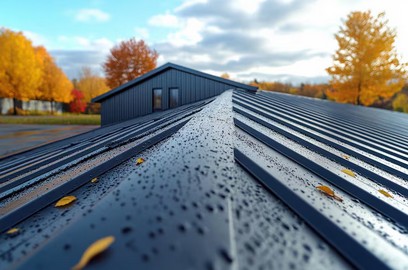
Have you ever wondered why two flat roofs of the same age can look completely different? One might still be in great shape, while the other is showing cracks, blisters, and leaks. The answer often comes down to one factor weather. From blazing summer heat to winter snow loads, the climate in your area plays a major role in how long your flat roof will last. Understanding these effects, and working with a qualified roofer, can help you protect your investment for years to come.
Sun and Heat Damage
If you live in a hot climate or an area with strong sunlight, UV rays can be one of the biggest threats to your flat roof. Over time, ultraviolet radiation breaks down roofing materials, causing them to dry out, crack, and lose flexibility. The heat can also make roofing membranes expand and contract daily, leading to stress fractures.
A qualified roofer can recommend UV-resistant materials, reflective coatings, or even lighter-colored membranes to help reduce heat absorption and slow down sun-related damage.
Heavy Rain and Standing Water
Rain itself isn’t a problem it’s what happens afterward that matters. Flat roofs don’t shed water as quickly as pitched roofs, so heavy or prolonged rainfall can lead to ponding water. If left for more than 48 hours, this standing water can seep into seams, accelerate membrane deterioration, and cause leaks.
Proper drainage is key. A qualified roofer can inspect and improve your drainage system, ensuring water flows toward drains or scuppers instead of pooling on the roof surface.
Snow and Ice
In colder climates, snow and ice put additional stress on flat roofs. The weight of accumulated snow can strain the structure, and when temperatures rise and fall, the freeze-thaw cycle can cause cracks to form in roofing materials. Ice dams frozen blocks that prevent water from draining can force meltwater into seams and under the membrane.
Working with a qualified roofer ensures you have the right insulation, slope adjustments, and even heated drainage systems to handle winter’s worst.
Wind and Storm Damage
Wind-driven debris can puncture the roof surface, while hail can leave dents and cracks that grow over time. Even moderate storms can cause hidden damage that shortens your roof’s lifespan.
Regular inspections from a qualified roofer after severe weather can catch these issues early before they become major repair projects.
Temperature Fluctuations
Areas that experience wide temperature swings between day and night or across seasons put flat roofs under constant stress. Materials expand when hot and contract when cold. Over time, this movement can weaken seams, adhesives, and flashing.
Don’t let unpredictable weather cut years off your flat roof’s life. Schedule an inspection with a qualified roofer at 1274 5th Ave New York, NY 10029 (212) 457-1324 https://bestroofingnyc.com today. They’ll identify weaknesses, suggest weather-specific upgrades, and help you protect your roof from whatever Mother Nature has in store.