
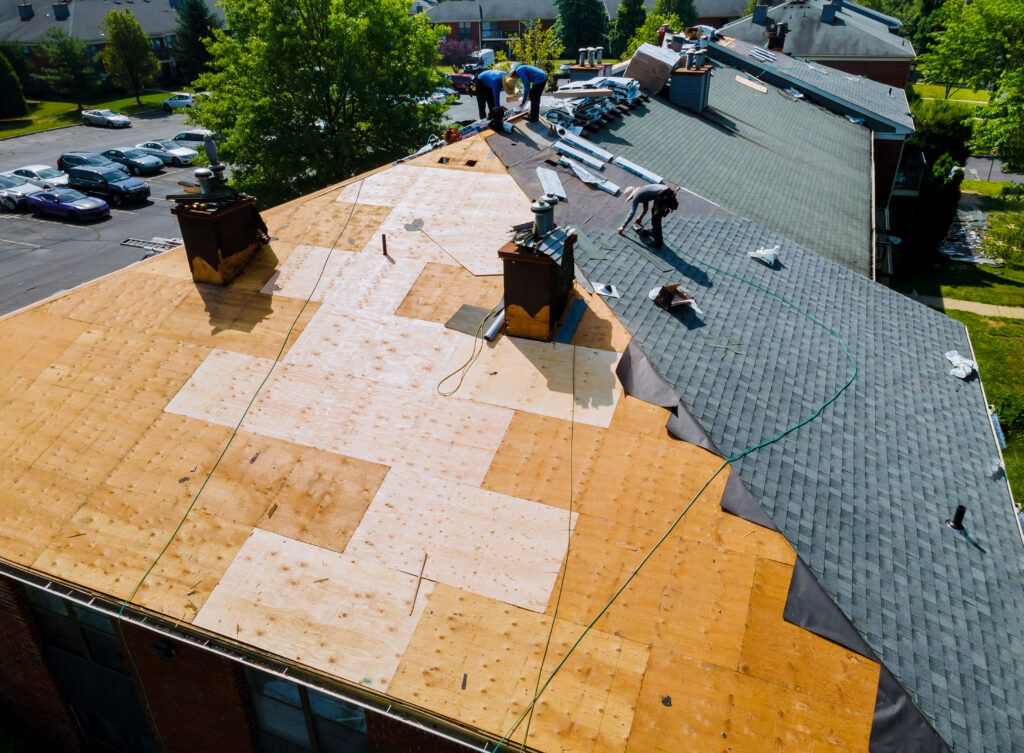
Quick Answer : Brooklyn’s coastal climate can shorten the life of residential roofs because salt air, humidity, wind-driven rain, seasonal storms, and freeze-thaw cycles place extra stress on shingles, flashing, gutters, and roof edges. Small issues like loose shingles, rusted flashing, clogged gutters, or damp attic spaces can become serious roof damage when they are ignored.
Regular inspections, gutter cleaning, moisture control, and early repairs help homeowners protect the roof before coastal weather leads to leaks or premature replacement.
Brooklyn homes face roofing conditions that are different from many inland properties. Waterfront and near-water neighborhoods such as Red Hook, DUMBO, Williamsburg, Greenpoint, Brighton Beach, Coney Island, Sheepshead Bay, and Bay Ridge may deal with wind-driven moisture, salt exposure, heavy rain, and changing seasonal weather. Even homes farther inland can still feel the effects of humidity, urban heat, and storm patterns.
A residential roof in Brooklyn may include asphalt shingles, flat roof sections, skylights, chimneys, gutters, roof vents, parapet edges, pipe boots, fascia, soffits, and older masonry transitions. These parts work together to keep water out. If one detail fails, moisture can move beneath the roof and damage decking, insulation, ceilings, or interior finishes.
Goldenberg Roofing Brooklyn provides residential roofing services for Brooklyn homeowners and evaluates roofing materials, structural conditions, drainage, flashing, ventilation where applicable, and overall roof integrity before recommending solutions.
Why Brooklyn’s Coastal Weather Creates Roofing Challenges
Brooklyn roofs face coastal air, high humidity, wind-driven rain, seasonal storms, and dense urban conditions. These factors can increase roof wear when maintenance is delayed.
Salt Air Can Affect Metal Roofing Components
Salt particles can travel through coastal air and wind-driven moisture. Homes near the waterfront may experience more exposure, but salt and moisture can still affect buildings beyond the immediate shoreline.
This matters because a roof is not only shingles or membrane. Metal parts such as flashing, fasteners, gutters, drip edges, pipe boots, nails, and roof accessories help hold the system together and keep water out.
FEMA’s Coastal Construction Manual notes that exposed metal fasteners can corrode in coastal areas, and salt spray is generally greatest near breaking waves before declining farther inland. Once corrosion weakens flashing or fasteners, leaks may begin around chimneys, vents, skylights, edges, and gutters.
Humidity Keeps Roof Surfaces Damp Longer
Brooklyn’s coastal environment can keep roof surfaces damp after rain, fog, storms, or morning moisture. When roofing materials stay damp, small problems can develop faster.
Moisture can sit under leaves, moss, loose shingles, clogged gutters, roof edges, and shaded areas. On older row houses and brownstones, dampness can also affect masonry, parapets, and roof-to-wall transitions.
Humidity can increase the chance of algae staining, mildew odor, slow material wear, and hidden moisture. It can also make roof leaks harder to notice because water may build gradually instead of appearing as a sudden drip.
Strong Winds Increase Roof Stress
Strong winds can lift shingles, loosen flashing, move debris, and push rain into weak roof details. Nor’easters are East Coast storms with winds typically coming from the northeast along coastal areas, and the National Weather Service says they are most frequent and most violent between September and April.
Wind uplift is especially hard on roof edges, shingles, gutters, and flashing. Once a shingle edge lifts or flashing moves, water can enter beneath the roofing surface.
Storm-related wear may not create an immediate leak. Sometimes wind loosens the roof first, and the leak appears during the next heavy rain.
How Moisture Speeds Up Roof Aging in Brooklyn Homes
Moisture protection is one of the most important parts of residential roof maintenance in Brooklyn. Water can enter through very small openings and cause hidden damage long before the roof looks worn.
Water Enters Through Small Openings
A roof does not need a large hole to leak. Moisture can enter through tiny flashing gaps, nail penetrations, cracked sealants, loose shingles, damaged pipe boots, worn vents, and small membrane openings.
Once moisture enters, it can travel under shingles, behind siding, into insulation, across roof decking, or along rafters. The interior stain may appear far from the actual leak source.
This is common in older Brooklyn homes where the roof may include past repairs, aging flashing, older underlayment, and several roof transitions.
Condensation Can Form Beneath the Roof
Not all roof moisture comes from outside rain. Poor ventilation can trap warm indoor air beneath the roof assembly. When that warm air meets a colder surface, condensation can form.
Hidden condensation may affect attic spaces, roof decking, insulation, and framing. Over time, this can create musty odors, damp insulation, wood damage, and mold concerns.
In Brooklyn homes with older ventilation layouts, finished upper floors, flat roof sections, or limited attic space, condensation may be difficult to detect without a professional roof inspection in Brooklyn.
Freeze-Thaw Cycles Make Moisture Damage Worse
Winter moisture becomes more damaging when temperatures move above and below freezing. Water enters a small opening, freezes, expands, and makes that opening larger.
This can affect shingles, flashing, gutters, masonry, roof edges, skylights, and flat roof seams. Older roofs are especially vulnerable because existing cracks and gaps can grow over time.
Roof maintenance before winter helps reduce this risk. Homeowners should address damaged shingles, loose flashing, clogged gutters, and small leaks before freezing weather arrives.
Common Coastal Roof Damage Brooklyn Homeowners Notice
Coastal roof damage often appears slowly. The roof may look fine from the street while shingles, flashing, gutters, and ventilation details are already weakening.
Asphalt Shingle Granule Loss
Asphalt shingles have protective granules on the surface. These granules help shield the shingle from sun exposure, rain, wind, and surface wear.
In Brooklyn, salt air, UV exposure, wind, rain, and debris can all contribute to shingle aging over time. Once granules wear away, shingles become more vulnerable to cracking, curling, brittleness, and heat damage.
Homeowners may notice granules in gutters, uneven shingle color, bald patches, or shingles that look thin and worn. These are signs that professional shingle roofing services in Brooklyn may be needed.
Flashing Corrosion Around Roof Penetrations
Flashing is one of the most important parts of a roofing system. It protects chimneys, skylights, roof vents, pipe penetrations, dormers, sidewalls, and roof edges.
Coastal air and moisture can speed up corrosion on metal flashing and fasteners. Once flashing begins to rust, separate, or loosen, water can enter around the penetration.
A roof can leak even when the main shingles still look acceptable if flashing has failed. That is why flashing should be checked during routine inspections and after major storms.
Gutter and Drainage System Problems
Gutters and drainage systems protect the roof by moving water away from the home. In Brooklyn, gutters may deteriorate from rust, salt exposure, debris buildup, heavy rain, and freeze-thaw stress.
Clogged or damaged gutters can overflow. Overflow can send water back toward fascia, siding, masonry, foundations, and roof edges.
Goldenberg Roofing Brooklyn serves Brooklyn property types including brownstones, row houses, apartment buildings, mixed-use buildings, and commercial structures, and its services include roofing, gutters, siding, masonry, roof repair, and replacement support. These exterior systems often work together to control moisture around local buildings.
Why Brooklyn Homes Need More Frequent Roof Maintenance
Coastal weather can make small roofing issues grow faster. Regular maintenance helps offset the added pressure of salt exposure, humidity, wind-driven rain, and seasonal storms.
Inspections Catch Damage Early
Brooklyn homeowners should schedule professional inspections at least once a year and after major storms. Homes closer to waterfront areas, older row houses, brownstones, and properties with past leak history may need inspections more often.
An inspection should check shingles, flashing, gutters, vents, pipe boots, skylights, chimney areas, fascia, soffits, attic ventilation, and signs of moisture inside the home.
Goldenberg Roofing Brooklyn provides professional roof inspection services that help homeowners, landlords, property managers, and business owners identify roofing concerns early through detailed, property-specific inspections.
Cleaning Helps Prevent Moisture Retention
Cleaning helps prevent roof deterioration. Leaves, branches, dirt, roof granules, moss, and urban debris can trap moisture against the roof.
Salt residue and damp debris can affect metal details, gutters, flashing, and roof surfaces. Moss and algae can also hold moisture and make roof surfaces age faster.
Preventive cleaning should include gutter cleaning, debris removal, roof surface checks, and safe removal of moss or organic buildup. Homeowners should avoid pressure washing shingles because it can damage the granule surface.
Small Repairs Prevent Expensive Replacement
Small roof repairs are usually easier and less expensive than major replacement. Flashing repair, fastener replacement, gutter repair, shingle replacement, pipe boot repair, and sealant correction can all prevent larger damage.
A missing shingle may seem minor, but it can expose underlayment to water. A small flashing gap can become an interior leak. A loose gutter can overflow into fascia and siding.
When problems are found early, Brooklyn roof repair services can often solve the issue before it leads to emergency damage or full replacement.
Moisture Protection Strategies That Help Brooklyn Roofs Last Longer
A good residential roofing plan should keep water out, move water away, and allow trapped moisture to dry.
Improve Roof Ventilation
Ventilation helps reduce moisture inside the roof assembly. Proper air circulation allows warm, humid air to escape and helps reduce condensation under the roof.
Poor ventilation can lead to damp insulation, mold concerns, wood deck damage, and shorter shingle life. It can also make upper rooms feel hotter in summer and less comfortable during seasonal changes.
A roofing professional can inspect attic ventilation, soffit airflow, ridge vents, roof vents, and signs of trapped moisture.
Use Quality Underlayment and Flashing
Underlayment provides secondary moisture protection beneath shingles or other roofing materials. It helps protect the roof deck if wind-driven rain enters under the roof surface.
In coastal environments, strong underlayment and proper flashing are especially important. They help reduce damage when shingles lift, flashing loosens, or rain enters during storms.
Underlayment should be chosen based on roof slope, material type, code needs, and exposure conditions. Flashing should be installed correctly around chimneys, skylights, valleys, sidewalls, vents, and roof edges.
Maintain Effective Drainage
Good drainage keeps water moving away from the roof. Gutters, downspouts, roof drains, and scuppers should stay clear and functional.
Water that sits near roof edges, valleys, flat roof sections, or gutters can cause leaks and material deterioration. On Brooklyn homes with flat or low-slope sections, drainage is especially important.
Homes with low-slope roof areas may need Brooklyn flat roofing services if ponding water, membrane cracks, or roof-edge leaks appear.
| Moisture Protection Area | What to Maintain | Why It Matters |
| Ventilation | Attic airflow, soffits, ridge vents, roof vents | Reduces trapped humidity and condensation |
| Underlayment | Moisture barriers beneath roofing materials | Adds backup protection against wind-driven rain |
| Flashing | Chimneys, vents, skylights, sidewalls | Stops water at common leak points |
| Gutters | Cleaning, slope, downspouts, rust checks | Moves water away from roof edges |
| Roof surface | Shingles, seams, moss, debris | Reduces moisture retention and surface wear |
Asphalt Roof Maintenance in Brooklyn’s Coastal Climate
Many Brooklyn homes use asphalt shingles, so routine maintenance is important. Coastal conditions can make shingles age faster when the roof is ignored.
Inspect Shingles After Storms
Routine shingle inspections should look for curling, cracking, missing shingles, granule loss, lifted edges, discoloration, algae streaking, and surface wear.
After storms, homeowners can look for visible roof damage from the ground. They should not climb onto the roof without proper safety equipment.
A professional roofer can safely inspect shingle condition and determine whether repair, maintenance, or replacement is needed. Goldenberg Roofing Brooklyn’s shingle roofing service begins with a complete inspection of shingles, flashing, ventilation, roof decking, and overall roof performance.
Maintain Exposed Roofing Components
Exposed roofing components include flashing, pipe boots, vents, skylights, roof edges, fasteners, and other penetrations. These areas should be sealed and maintained properly.
Sealants can crack, shrink, or lose adhesion over time. Coastal moisture and heat can make this happen faster.
A professional repair should use compatible materials. Applying caulk over old failed sealant may not solve the problem if flashing or surrounding materials are already damaged.
Protect Shingles From Moisture and Debris
Asphalt shingles need protection from UV exposure, damp debris, salt residue, and moisture retention. Homeowners can help by keeping gutters clean, trimming overhanging branches, removing debris, checking ventilation, and scheduling routine inspections.
Protective coatings are not always appropriate for standard asphalt shingles, so homeowners should ask a roofing professional before applying any product.
The best protection is usually proper installation, ventilation, flashing, drainage, cleaning, and timely repairs.
When Brooklyn Homeowners Should Call a Roofing Professional
Waiting for visible damage often means water has already entered the home. Coastal roof problems should be inspected before they spread.
Warning Signs That Need Immediate Attention
Homeowners should schedule professional roofing services if they notice ceiling stains, sagging roof sections, persistent leaks, missing shingles, curled shingles, gutter overflow, mold odors, damp attic spaces, rusted flashing, loose gutters, or water around skylights.
Interior ceiling stains are especially important. They usually mean water has already entered the roof or wall assembly.
A professional inspection can determine whether the issue is caused by shingles, flashing, gutters, ventilation, drainage, or hidden moisture.
Storm Damage Should Not Be Ignored
After strong winds or heavy rain, roof damage may not be obvious from the ground. A lifted shingle, loose flashing edge, cracked pipe boot, or clogged gutter can cause a leak during the next storm.
Goldenberg Roofing Brooklyn responds to emergency roofing situations involving flat roofing systems, asphalt shingles, flashing failures, storm-related roof damage, fallen debris, roof punctures, and sudden roof leaks affecting residential and commercial properties throughout Brooklyn.
If water is actively entering the home, schedule emergency roof repair in Brooklyn before the damage spreads into ceilings, walls, insulation, or electrical areas.
Professional Maintenance Saves Money Over Time
Professional maintenance can reduce long-term costs by catching problems early. A small repair today can prevent wet insulation, damaged decking, ruined ceilings, or full roof replacement later.
Regular maintenance can also extend roof life by keeping shingles, flashing, gutters, and ventilation working properly.
For Brooklyn homeowners, maintenance is especially valuable because coastal weather can speed up roof wear.
Conclusion: Protect Your Brooklyn Roof From Coastal Weather
Brooklyn’s coastal weather exposes roofs to moisture, salt air, wind, humidity, rain, snow, and seasonal storms. These conditions can shorten roof life when homeowners wait too long to inspect, clean, or repair their roofing systems.
Regular inspections and preventive maintenance help identify granule loss, flashing corrosion, gutter deterioration, ventilation problems, small leaks, and early moisture intrusion before major damage develops.
Moisture protection is especially important. Good ventilation, quality underlayment, reliable flashing, clean gutters, and proper drainage help prevent hidden roof and structural damage.
Asphalt roofing also needs ongoing care in coastal environments. Shingles should be checked for curling, missing pieces, surface wear, granule loss, and wind damage. Flashing and gutters should also be inspected because they are common weak points.
Working with experienced roofing professionals helps homeowners avoid emergency repairs and premature roof replacement. Goldenberg Roofing Brooklyn provides residential roofing, roof inspections, roof repair, flat roofing, shingle roofing, roof replacement, emergency roof repair, siding, gutters, masonry, and leak diagnostics for Brooklyn homes and buildings.
Protect your home before coastal weather causes expensive damage. Call Goldenberg Roofing Brooklyn at (718) 360-5527, or visit 96 Knickerbocker Ave, Unit 102, Brooklyn, NY 11237. Goldenberg Roofing Brooklyn serves Bushwick, Williamsburg, Bedford-Stuyvesant, Park Slope, Red Hook, DUMBO, and surrounding Brooklyn neighborhoods.
FAQs: Residential Roofing Brooklyn
How does Brooklyn’s coastal climate affect residential roofs?
Brooklyn’s coastal climate affects residential roofs by exposing them to salt air, humidity, heavy rain, strong winds, seasonal storms, and freeze-thaw cycles. These conditions can speed up shingle wear, flashing corrosion, gutter deterioration, moisture buildup, and hidden roof leaks.
How often should homeowners schedule roof maintenance?
Homeowners should usually schedule roof maintenance at least once a year and after major storms. Homes near waterfront areas, older brownstones, row houses, and properties with previous leaks may need more frequent inspections because coastal moisture and wind can accelerate roof wear.
What are the earliest signs of coastal roof damage?
Early signs of coastal roof damage include granule loss, curling shingles, missing shingles, rusted flashing, loose gutters, water stains, damp attic areas, moss growth, cracked sealants, gutter overflow, and recurring leaks after rain or snow melt.
How does moisture protection help a roof last longer?
Moisture protection helps a roof last longer by keeping water out of the roof assembly and allowing trapped humidity to dry. Proper ventilation, quality underlayment, strong flashing, clean gutters, working downspouts, and timely repairs all reduce hidden moisture damage.
What maintenance does an asphalt roof need in coastal areas?
An asphalt roof in a coastal area should be inspected for missing shingles, curling, cracking, granule loss, lifted edges, algae growth, flashing corrosion, damaged pipe boots, gutter issues, and ventilation problems. Regular cleaning and small repairs can help extend the life of the roof.
When should homeowners call a roofing professional?
Homeowners should call a roofing professional when they notice leaks, ceiling stains, missing shingles, roof sagging, damp attic spaces, rusted flashing, loose gutters, clogged drainage, or storm damage. A professional inspection is also recommended before small signs become major repairs.
Can preventive roof maintenance reduce future replacement costs?
Yes, preventive roof maintenance can reduce future replacement costs by catching small problems early. Cleaning gutters, repairing flashing, replacing damaged shingles, improving ventilation, and fixing minor leaks can help prevent water damage, deck deterioration, and premature roof failure.