
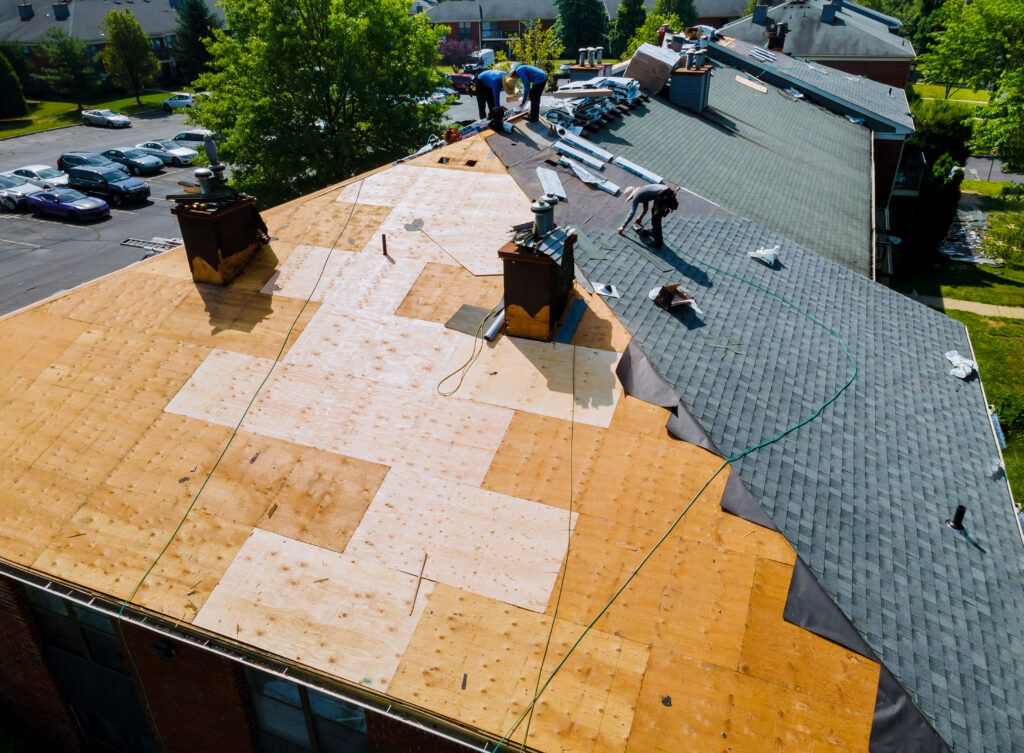
Quick Answer : Apartment Building Roofing Bronx problems often develop earlier than expected because many Bronx apartment buildings have aging flat or low-slope roofing systems, heavy daily occupancy, rooftop equipment, drainage stress, older construction details, and constant exposure to rain, snow, wind, summer heat, and freeze-thaw cycles.
Apartment buildings in neighborhoods such as Fordham, Kingsbridge, Soundview, Mott Haven, Morrisania, Parkchester, Highbridge, University Heights, Belmont, Norwood, Pelham Bay, and the Grand Concourse often include larger roof areas than single-family homes. These roofs may also support HVAC units, roof hatches, vents, drains, skylights, and service access paths. Goldenberg Roofing Bronx notes that many apartment buildings, commercial properties, and older residential structures throughout the Bronx use flat or low-slope roofing systems that require specialized installation and maintenance.
The main reasons these roofs fail early include deferred maintenance, clogged drains, ponding water, damaged flashing, hidden moisture, membrane blistering, repeated patchwork, and missed inspections. NYC Housing Preservation and Development also states that property owners are responsible for keeping common areas and apartment units safe and well maintained under housing rules.
This guide explains why Bronx apartment roofs wear out early, what warning signs property managers should watch for, how professional building roof inspection helps, and why preventive maintenance can extend roof lifespan while reducing ownership costs.
Why Bronx Apartment Buildings Face Earlier Roofing Wear Than Other Properties
Bronx apartment buildings often experience roofing wear sooner than smaller residential properties because their roofs are larger, more complex, and under constant use. A small home may only need occasional roof access, while an apartment building roof may support mechanical equipment, repair crews, tenant-related systems, and drainage for a much larger surface area.
Aging Roofing Systems Across Older Bronx Neighborhoods
Many Bronx neighborhoods include older apartment buildings with roof systems that have been repaired, coated, patched, or partially replaced over many years. In areas like Fordham, Highbridge, University Heights, Morrisania, Belmont, and Mott Haven, building age can affect the roof deck, flashing, insulation, drains, parapets, and roof membrane.
Older roof systems may hide several layers of previous work. A building may have old patches around vents, aging roof cement near flashing, past leak repairs, or membranes that no longer perform evenly. These hidden conditions can make the roof look stable from a distance while moisture is already trapped below the surface.
Apartment Building Roofing Bronx projects should begin with a careful inspection, not guesswork. Goldenberg Roofing Bronx says its process begins with evaluating the roof condition, drainage system, flashing, and structural integrity before planning repairs or replacement.
Heavy Occupancy and Daily Roof Usage
Apartment buildings are occupied every day. That means the roof protects many apartments, hallways, utility areas, stairwells, mechanical rooms, and common spaces. When a leak develops, it may affect several units instead of one room.
Roof usage is also higher. Superintendents, HVAC technicians, plumbing contractors, cable installers, maintenance crews, and emergency repair workers may all need roof access. Foot traffic can damage membranes, loosen flashing, crush insulation, and create punctures if walk paths are not protected.
The more people and equipment a roof supports, the more structured the maintenance plan needs to be.
Weather Exposure That Accelerates Roof Deterioration
Bronx roofs face heavy rain, wind, snow, ice, summer heat, and temperature changes. Flat roofs are especially exposed because water moves off the surface more slowly than it does on pitched roofs.
UV exposure can dry and age roof membranes. Winter freeze-thaw cycles can open small cracks. Rain can find weak seams and flashing gaps. Wind can stress roof edges, roof hatches, and equipment curbs.
Over time, these conditions can shorten roof life when inspections are delayed.
How Flat Roofing Bronx Apartment Buildings Handles Constant Weather Stress
Flat roofing Bronx apartment buildings rely on needs regular attention because flat and low-slope roof systems handle weather differently than pitched roofs. Water movement, drainage performance, and membrane condition matter every season.
Water Ponding After Frequent Rainfall
Ponding water is one of the most common problems on apartment building roofs. It happens when water remains on the roof instead of draining properly after rainfall.
Common causes include clogged drains, blocked scuppers, compressed insulation, sagging roof sections, poor slope, debris buildup, and old roof repairs that changed water flow. Even shallow standing water can stress seams and flashing when it sits repeatedly.
The NYC Plumbing Code requires secondary emergency overflow drains or scuppers where roof drains are required and roof perimeter construction could trap water if the primary drains allow buildup. For Bronx apartment buildings with parapet walls, this makes drainage planning especially important.
UV Exposure and Membrane Breakdown
Flat roof membranes are exposed to direct sunlight for long periods. Summer UV exposure can dry out membranes, coatings, adhesives, sealants, and roof cement.
As the roof ages, the surface may develop cracks, blisters, open seams, or brittle areas. Some sections may fade, chalk, wrinkle, or split near seams and penetrations.
UV damage is not always visible from the ground. A roof may need a professional inspection to confirm whether the membrane is still protecting the building properly.
Expansion and Contraction During Seasonal Temperature Changes
Roofing materials expand and contract as temperatures change. In the Bronx, roofs can go from hot summer conditions to freezing winter weather within the same year.
This movement can stress roof seams, flashing, fasteners, equipment curbs, roof edges, and old patches. Over time, small openings can develop.
When rain or melting snow reaches those openings, water may enter beneath the membrane and travel through insulation before appearing inside an apartment.
Why Many Bronx Apartment Buildings Miss Critical Roof Maintenance Schedules
Many apartment roof problems become serious because maintenance is delayed. Property owners and managers may focus on tenant repairs, heating systems, plumbing, elevators, and interior complaints while the roof receives attention only after a leak.
Deferred Maintenance Due to Budget Planning
Apartment building owners often manage several expenses at once. Roof maintenance can be delayed when there are no active leaks or visible complaints.
However, roof problems usually become more expensive when they are ignored. A small flashing issue can become interior water damage. A blocked drain can become ponding water. A small puncture can become wet insulation.
Deferred maintenance may feel like saving money, but it often increases long-term costs.
Small Roofing Issues That Become Expensive Repairs
Small defects can grow quickly on apartment buildings because the roof system is large and connected. Water can travel under the membrane, through insulation, and into multiple interior areas.
A small seam opening may affect a hallway ceiling. A cracked vent flashing may affect a top-floor apartment. A clogged drain may create roof-wide ponding.
Apartment roof maintenance should focus on early correction. Repairs are usually simpler before water spreads beneath the roof system.
Lack of Preventive Maintenance Programs
Many buildings respond to roof problems only after leaks appear. This reactive approach often leads to emergency repair calls, tenant complaints, and unexpected expenses.
A preventive maintenance program should include scheduled inspections, drain cleaning, photo documentation, minor repairs, flashing checks, and a written roof condition report.
For property managers, this also helps with budgeting. Instead of being surprised by major repairs, the building can plan maintenance and replacement over time.
Common Roofing Problems Found During Bronx Building Roof Inspection Services
A professional building roof inspection can identify problems that are hard to see from inside the building or from the street. For apartment buildings, inspection is one of the most important tools for preventing early roof failure.
Hidden Moisture Beneath Roofing Membranes
Hidden moisture is one of the biggest problems on flat roofs. Water can enter through seams, flashing, punctures, old patches, drains, skylights, or roof edges and then remain trapped under the surface.
The roof may look dry above while insulation or decking below is wet. This can reduce insulation performance, create odors, weaken roof materials, and increase the risk of interior leaks.
A professional inspection can look for soft areas, blistering, stains, wrinkles, unusual surface movement, and other signs that moisture may be trapped beneath the membrane.
Damaged Flashing Around Rooftop Equipment
Apartment buildings often have rooftop HVAC units, exhaust fans, vents, pipe penetrations, roof hatches, and utility supports. Every penetration requires proper flashing.
NYC Building Code states that flashing should be installed to prevent moisture from entering through copings, moisture-permeable materials, parapet intersections, and penetrations through the roof plane. This matters because flashing failure is one of the most common sources of apartment building leaks.
Damaged flashing may be rusted, lifted, cracked, poorly sealed, or pulled away from equipment curbs. If ignored, it can allow water into the building during heavy rain.
Drainage Problems That Go Unnoticed
Drainage problems are easy to miss if the roof is inspected only during dry weather. A drain may look clear at first but still be slow, undersized, partially blocked, or surrounded by a low area that holds water.
Inspectors should review drains, scuppers, gutters, downspouts, strainers, overflow routes, and signs of past ponding. Staining on the membrane, dirt rings, algae growth, and concentrated debris can show where water sits after storms.
Drainage is not a small detail. It is one of the most important parts of flat roofing Bronx property owners must maintain.
How Brooklyn Apartment Buildings Experience Similar Roofing Challenges as Bronx Properties
Brooklyn and Bronx apartment buildings are different in neighborhood layout, but many older multi-family properties share similar roofing problems. The comparison is useful because both boroughs include dense urban buildings, flat roofs, rooftop equipment, and older exterior systems.
Older Multi-Family Buildings Share Similar Roof Designs
Older apartment buildings in both boroughs often use flat or low-slope roofs. These roof systems must manage water through drains, scuppers, gutters, and roof slopes rather than steep pitches.
They may also include parapet walls, roof hatches, skylights, vents, mechanical equipment, and masonry edges. These details create more places where water can enter.
For Bronx property owners, the lesson is clear. A flat apartment roof should be managed as a full system, not just a surface membrane.
Flat Roof Drainage Issues in Dense Urban Neighborhoods
Dense urban neighborhoods can make drainage more complicated. Roofs may collect leaves, trash, construction debris, dust, and materials from nearby buildings. Access for cleaning may also be limited.
In both Brooklyn and the Bronx, flat roofs with parapet walls can trap water if drains are blocked. When water remains on the roof, it can increase membrane wear, stress seams, and expose weak flashing.
Drainage inspections should be scheduled before storm season and after major rainfall.
Lessons Bronx Property Owners Can Learn from Brooklyn Maintenance Planning
Brooklyn apartment building owners often face similar issues with older roofs, mixed-use properties, and occupied multi-family buildings. Bronx property owners can learn from the same maintenance approach.
That means setting inspection dates, tracking leak history, cleaning drains, repairing flashing early, and budgeting before the roof reaches emergency condition.
The best roof maintenance plan is consistent, documented, and preventive.
Why Commercial Roofing Bronx Standards Also Apply to Apartment Buildings
Apartment buildings may be residential in use, but their roofs often function more like commercial roofs. They are larger, more complex, and more equipment-heavy than single-family roofs.
Larger Roof Areas Require Professional Maintenance
Larger roof areas collect more water, more debris, and more wear. A small drainage issue can affect a large section of the roof.
Commercial roofing Bronx maintenance standards are useful for apartment buildings because they include scheduled inspections, documentation, repair planning, drainage checks, and safety awareness.
Goldenberg Roofing Bronx says it installs and maintains roofing systems for office buildings, retail properties, apartment complexes, schools, warehouses, healthcare facilities, restaurants, and mixed-use developments while minimizing disruption to daily operations.
Rooftop HVAC Equipment Creates Additional Stress
Apartment buildings often have rooftop mechanical systems. HVAC units, exhaust fans, vents, pipe stands, and access areas can create stress points.
Technicians may walk across the roof to service equipment. Vibration can affect flashing. Condensation discharge or poor equipment support can damage roof surfaces.
A commercial-style maintenance plan should include protected walk paths, equipment curb checks, flashing review, and inspection after major service work.
Long-Term Asset Protection Through Commercial Roofing Practices
Apartment buildings are long-term assets. A roof problem can affect rent collection, tenant satisfaction, insurance claims, interior repairs, and building value.
Commercial roofing practices help protect that asset. These practices include condition reports, scheduled inspections, maintenance logs, repair photos, budgeting, and clear replacement planning.
A managed roof usually lasts longer than a roof that only receives emergency patches.
Warning Signs Bronx Property Managers Should Never Ignore
Property managers should act quickly when warning signs appear. Roof repair Bronx services are usually more effective when problems are found early.
Interior Ceiling Stains and Moisture Damage
Ceiling stains, bubbling paint, damp plaster, peeling finishes, musty odors, and tenant complaints after rain are warning signs. Water may already be moving through the roof system or walls.
The leak source may not be directly above the stain. Water can travel across decking, insulation, framing, and masonry before appearing indoors.
Property managers should document the location, date, storm conditions, and affected unit or area before scheduling inspection.
Blistering Roofing Membranes
Blisters can appear when air or moisture becomes trapped below the roof surface. Some small blisters may remain stable, but others can split and allow water in.
Blistering may indicate aging materials, poor adhesion, moisture intrusion, or heat stress. It should be evaluated by a roofing professional before it spreads.
If many blisters appear across the roof, repairs may not be enough and replacement planning may be needed.
Loose Flashing Around Roof Penetrations
Loose flashing around vents, skylights, chimneys, roof hatches, HVAC units, parapets, and wall transitions should never be ignored.
Flashing failure can allow water into the building even when the main roof membrane appears intact. Wind and temperature movement can make loose flashing worse quickly.
Goldenberg Roofing Bronx lists common warning signs such as water stains, damaged flashing, loose roofing materials, visible sagging, clogged roof drainage, and leaks after heavy rain.
How Preventive Roofing Plans Help Bronx Apartment Buildings Avoid Costly Repairs
Preventive roofing plans help building owners move from emergency response to planned maintenance. This is especially important for apartment buildings because roof failure can affect many residents and common areas.
Annual Inspection Planning
At minimum, Bronx apartment building roofs should be inspected once a year. Many flat roofs should be inspected twice a year, usually in spring and fall.
Spring inspections can find winter damage from snow, ice, and freeze-thaw cycles. Fall inspections can prepare the roof before colder weather and storm conditions arrive.
A good inspection plan should also include additional checks after major storms, rooftop equipment work, nearby construction, or repeated tenant leak reports.
Scheduled Preventive Maintenance
Scheduled maintenance should include drain cleaning, scupper checks, gutter cleaning, membrane repairs, flashing repair, sealant replacement, debris removal, and documentation.
Maintenance should also include interior checks in top-floor units, stairwells, utility rooms, and hallways. Sometimes the first sign of a roof problem appears inside the building.
The goal is to correct small issues before they become leaks, violations, tenant complaints, or structural repairs.
Budgeting for Long-Term Roof Performance
Roof maintenance should be part of the building’s long-term budget. Owners should plan for minor repairs, inspections, drainage improvements, coatings when appropriate, and eventual replacement.
DOB notes that most construction in New York City requires approval and permits, though some minor alterations and ordinary repairs may not need a work permit. DOB also notes that non-structural roof repair is an example of work that may not need a permit, while contractors performing home improvements must be licensed through DCWP.
Planning ahead gives property owners time to confirm permit needs, contractor licensing, project scope, and budget before emergency conditions force rushed decisions.
| Maintenance Task | Why It Matters for Bronx Apartment Buildings | Recommended Timing |
| Roof surface inspection | Finds cracks, blisters, punctures, and worn membrane areas | Spring, fall, and after storms |
| Drain and scupper cleaning | Prevents ponding water and overflow | Before storm season and after leaf buildup |
| Flashing review | Protects equipment curbs, vents, hatches, and parapets | Every inspection |
| Interior moisture checks | Tracks leaks before they spread across units | After rain and during tenant reports |
| Repair documentation | Helps with budgeting and replacement planning | After every service visit |
| Rooftop equipment check | Reduces damage from vibration and service traffic | After HVAC or utility work |
Conclusion: Protect Your Bronx Apartment Building with Proactive Roofing Maintenance
Apartment Building Roofing Bronx requires proactive planning rather than reactive repairs. Waiting until tenants report leaks can allow hidden moisture, flashing failure, roof membrane damage, and drainage problems to spread.
Flat roofing systems demand routine inspections to prevent premature failure. Ponding water, clogged drains, membrane blisters, open seams, loose flashing, and rooftop equipment stress should be found before they become major leaks.
Regular building roof inspections identify hidden issues before they become costly. A professional inspection can reveal moisture under the membrane, damaged flashing, weak drainage, roof sagging, equipment curb problems, and surface deterioration.
Commercial roofing best practices benefit apartment buildings of all sizes because apartment roofs are large, equipment-heavy, and essential to tenant protection.
Call Goldenberg Roofing Bronx today at (718) 663-4786, or visit 15 Canal Place, Unit 318, Bronx, NY 10451. Goldenberg Roofing Bronx provides roof repair, roof replacement, roof installation, flat roofing, residential roofing, commercial roofing, emergency roof repair, roof inspections, siding, gutters, masonry, and maintenance planning for Bronx homes, apartment buildings, mixed-use properties, and commercial buildings.
FAQs: Apartment Building Roofing Bronx
Why do Bronx apartment buildings develop roofing problems earlier than expected?
Bronx apartment buildings often develop roofing problems earlier than expected because many have aging flat roofs, large roof surfaces, rooftop equipment, heavy occupancy, drainage stress, older construction details, and constant exposure to rain, snow, wind, UV rays, and freeze-thaw cycles.
How often should apartment building roofing in the Bronx be inspected?
Apartment building roofing in the Bronx should usually be inspected at least once a year, and many flat roofs should be inspected twice a year. Additional inspections are recommended after major storms, heavy rain, rooftop equipment work, visible leaks, or tenant moisture complaints.
What are the most common flat roofing problems in Bronx apartment buildings?
The most common flat roofing problems include ponding water, clogged drains, damaged flashing, membrane cracks, open seams, blistering, punctures, wet insulation, loose roof materials, roof hatch leaks, HVAC curb leaks, and drainage systems that do not move water away properly.
When should property owners schedule roof repair in the Bronx?
Property owners should schedule roof repair in the Bronx when they notice ceiling stains, recurring leaks, ponding water, damaged flashing, loose materials, membrane blisters, clogged drainage, sagging roof areas, or water intrusion after storms. Early repair helps prevent larger structural and interior damage.
How does preventive apartment roof maintenance extend roof lifespan?
Preventive apartment roof maintenance extends roof lifespan by identifying small issues before they spread. Regular inspections, drain cleaning, flashing repairs, sealant replacement, debris removal, and minor membrane repairs help reduce moisture damage and prevent premature roof failure.
What does a professional building roof inspection include?
A professional building roof inspection usually includes checking the roof membrane, seams, flashing, drains, scuppers, gutters, roof hatches, HVAC curbs, vents, skylights, parapets, moisture signs, ponding areas, interior stains, and the overall condition of the roof system.
Is commercial roofing maintenance different from apartment building roofing in the Bronx?
Commercial roofing maintenance and apartment building roofing maintenance are similar because both often involve large flat roofs, rooftop equipment, drainage systems, tenant or business disruption concerns, and long-term asset protection. Apartment buildings benefit from commercial-style maintenance planning, documentation, and scheduled inspections.