Quick Answer : An aging roof should be inspected before replacement because the visible surface may not show the full condition of the roofing system. Bronx homes often have worn shingles, failing flashing, soft decking, poor ventilation, hidden moisture, drainage problems, and past repair layers that need to be checked before new materials are installed.
A well-planned roof replacement protects the home better, reduces surprise costs, and helps homeowners choose the right material for the roof’s slope, structure, weather exposure, and long-term maintenance needs.
Many Bronx homes in Riverdale, Kingsbridge, Morris Park, Pelham Bay, Throgs Neck, Parkchester, Wakefield, Woodlawn, Belmont, Norwood, Mott Haven, and nearby neighborhoods experience roof wear from heavy rain, snow, strong winds, summer heat, and seasonal temperature changes. Over time, these conditions can weaken shingles, flashing, underlayment, gutters, roof edges, vents, and roof decking.
Roof replacement should not begin with a rushed estimate after a major leak. The smarter approach is to inspect the entire roof system, identify hidden damage, compare material options, review ventilation and drainage, and plan the installation before water damage becomes expensive.
Why Roof Replacement in the Bronx Needs Careful Planning
Roof replacement in the Bronx needs careful planning because the borough includes many older homes, brick residences, duplexes, townhouses, apartment buildings, mixed-use properties, and small commercial structures. These buildings often have different roof slopes, materials, ventilation conditions, and access challenges.
Older Bronx Homes Have Hidden Roofing Issues
Many Bronx homes were built with older roof framing, traditional decking, aging ventilation, and materials that have been repaired over time. Some roofs have gone through several patch jobs before the owner finally considers replacement.
Older decking may be soft in certain areas because of past leaks. Ventilation may not support current performance expectations. Flashing may be worn around chimneys, skylights, vents, and roof edges. Gutters may be clogged, rusted, or poorly sloped.
A roof replacement plan should identify these issues before new materials are installed. If old damage is covered without correction, the new roof may not last as long as expected.
Weather Exposure Speeds Up Roof Aging
Bronx roofs face snow, heavy rain, strong winds, summer heat, and seasonal temperature changes. These conditions slowly break down shingles, membranes, sealants, flashing, gutters, and underlayment.
Winter freeze-thaw cycles can widen small cracks. Heavy rain can expose weak flashing. Wind can lift loose shingles. Summer heat can dry out materials and increase expansion and contraction stress.
Aging roofs should be evaluated before serious leaks begin. Once water reaches the deck, insulation, ceiling, or wall cavities, replacement can become more complicated and more expensive.
Inspection Comes Before Material Selection
A professional roof inspection in the Bronx helps identify hidden structural problems, moisture damage, old leak paths, weak decking, flashing failure, ventilation problems, and drainage issues.
Without inspection, homeowners may choose the wrong material or underestimate the scope of work. The visible surface may be only part of the problem.
A complete inspection gives the contractor enough information to recommend repair, partial replacement, full replacement, or additional work such as deck repair, ventilation improvement, gutter correction, or flashing replacement.
Signs Your Bronx Roof May Need Replacement
A roof rarely fails all at once. Most aging roofs show warning signs before serious water damage appears. Homeowners should know what to look for inside and outside the home.
Exterior Warning Signs
Exterior warning signs include curling shingles, missing shingles, cracked shingles, bald spots, granule loss, sagging roof sections, rusted flashing, loose gutters, exposed nails, and damaged roof edges.
Granule loss is especially common on aging asphalt shingles. When protective granules wear away, shingles become more exposed to UV rays, rain, snow, and heat.
Loose roofing materials, visible sagging, clogged drainage, and leaks after heavy rain should not be ignored. These signs often mean the roof needs professional evaluation.
Interior Warning Signs
Interior signs often mean water has already entered the roof system. Homeowners should watch for ceiling stains, peeling paint, damp attic insulation, mold odors, bubbling plaster, soft drywall, and water marks near chimneys or skylights.
Sometimes the leak source is not directly above the stain. Water can travel along roof decking, rafters, insulation, or wall cavities before becoming visible indoors.
If stains appear after storms, snow melt, or heavy rain, schedule an inspection quickly. Waiting can allow moisture to spread into framing, insulation, and interior finishes.
Repairs No Longer Make Financial Sense
Roof repairs make sense when damage is isolated and the rest of the roof still has useful life. However, repeated repairs can become expensive when the entire roof system is aging.
If a roof needs frequent patching, has widespread shingle damage, has wet decking, or leaks in multiple areas, replacement may provide better long-term value.
Homeowners should compare the cost of ongoing repairs with the cost of a new roof installation. A professional inspection can help determine which option is more practical.
Choosing Roofing Materials for Bronx Homes
Roofing materials should match the home’s structure, roof slope, budget, style, and maintenance goals. The best roof is not always the most expensive option. It is the material that fits the home correctly.
Asphalt Shingles for Sloped Residential Roofs
Asphalt shingles are one of the most common choices for residential roofing because they balance cost, style, and performance. They work well on many sloped Bronx homes, including detached homes, duplexes, and some townhouse roof sections.
Architectural asphalt shingles offer a thicker, more dimensional look than basic three-tab shingles. They can improve curb appeal and provide dependable protection when installed correctly.
However, asphalt shingles are not suitable for flat or very low-slope areas. Those roof sections need flat roofing systems designed for slower water movement.
Metal Roofing for Select Homes
Metal roofing may be a strong option for some sloped residential roofs. It can offer long service life, clean appearance, and strong weather resistance when installed properly.
Standing seam metal roofing can shed water efficiently and create a modern look. It may work well on certain home styles, additions, porch roofs, or roof areas where durability is a priority.
Metal roofing requires experienced installation because flashing, fasteners, expansion, contraction, and roof edges must be handled carefully.
Flat Roofing Systems for Low-Slope Areas
Many Bronx properties have flat or low-slope roof sections. These areas often need EPDM, TPO, modified bitumen, SBS, PVC, or another flat roofing system.
Flat roofing materials must be chosen with drainage, roof access, membrane strength, flashing, and rooftop equipment in mind. Poor drainage can shorten the life of even a high-quality membrane.
If your home has a rear flat section, porch roof, dormer area, or low-slope addition, ask whether flat roofing services in the Bronx are needed for that part of the roof.
| Roofing Material | Best Use | Main Benefit | Important Consideration |
| Asphalt shingles | Sloped residential roofs | Cost-effective and attractive | Needs proper ventilation and flashing |
| Architectural shingles | Upgraded residential roofs | Better curb appeal and stronger profile | Higher cost than basic shingles |
| Metal roofing | Select sloped roofs | Long service life and durability | Requires specialized installation |
| EPDM | Flat or low-slope roofs | Flexible waterproofing | Seams and drainage need maintenance |
| TPO | Flat roofs with heat exposure | Reflective surface and welded seams | Installation quality is critical |
| Modified bitumen | Traditional flat roofs | Layered waterproofing | Drainage and surface care matter |
| Slate or clay tile | Premium or historic-style homes | Distinctive appearance and long life | Weight and structure must be checked |
What Roof Replacement in the Bronx Should Include Before Construction
A residential roof replacement should not begin with material delivery. It should begin with inspection, evaluation, safety planning, and a clear scope of work.
Complete Roof Inspection
A complete inspection should review the existing roof surface, flashing, gutters, ventilation, roof edges, chimneys, skylights, pipe boots, valleys, underlayment condition, and visible signs of moisture.
The inspection should also include interior signs when possible, such as attic moisture, water stains, mold odors, and soft ceiling areas.
This type of review helps prevent mistakes during replacement and gives homeowners a clearer understanding of what the roof actually needs.
Roof Deck Evaluation
The roof deck supports the roofing material. If the deck is soft, rotted, sagging, or water damaged, it must be repaired before new materials are installed.
Installing new shingles or membrane over damaged decking can shorten roof life and create fastening problems. It may also hide moisture that continues to weaken the structure.
Deck evaluation is especially important on older Bronx homes with past leak history.
Ventilation Review
Ventilation affects shingle performance, attic moisture, indoor comfort, and roof lifespan. Poor ventilation can trap heat and humidity beneath the roof assembly.
A contractor should inspect attic airflow, soffit areas, ridge vents, roof vents, and signs of trapped moisture. Flat roof systems may require a different moisture-control strategy than pitched roofs.
Ventilation should be addressed before new materials are installed because it is harder to correct after the roof is complete.
Permit and Safety Planning
Some roof work may require permits or professional review depending on the project scope. Minor non-structural repairs may be different from work that includes deck replacement, structural changes, skylight changes, or major roof system alteration.
Homeowners should work with a contractor who understands the scope of work, safety requirements, access challenges, and permit considerations before construction begins.
A clear plan helps avoid delays, confusion, and unexpected project changes.
Choosing the Right Roofing Contractor in the Bronx
Choosing the right contractor can make the replacement process easier, safer, and more predictable.
Local Residential Roofing Experience
Bronx homes vary widely. Some are detached homes. Others are brick residences, duplexes, townhouses, or small multi-family buildings. Each property type may have different roof access, slope, structure, and material requirements.
A contractor with local experience can identify common Bronx roofing issues faster and recommend solutions that fit the property.
Homeowners should look for experience with residential roofing, roof repair, roof replacement, asphalt shingles, flat roofing, flashing, gutters, ventilation, and leak diagnostics.
Licensing, Insurance, and Warranty Details
Homeowners should verify licensing, insurance, and warranty details before signing a roofing agreement. Roofing work involves height, structural exposure, debris removal, and potential water damage risk.
A professional contractor should explain material warranties, workmanship coverage, manufacturer requirements, and what maintenance is needed after installation.
Warranty coverage is only useful when the roof is installed correctly and maintained according to the required terms.
Clear Estimates Without Hidden Costs
A roof replacement estimate should be detailed and clear. It should explain tear-off, disposal, decking repair allowances, underlayment, flashing, ventilation, roofing materials, gutters if included, warranty terms, cleanup, and final inspection.
Hidden costs often happen when the roof is not inspected properly before work begins. Deck damage, old flashing, ventilation issues, or drainage problems may appear during construction.
A detailed estimate helps homeowners plan budget, timeline, and expectations.
Communication During the Project
Good communication matters from the first inspection to the final walkthrough. Homeowners should know what work is happening, when materials will arrive, what areas need protection, and what issues are found during tear-off.
Clear communication also helps homeowners understand why certain repairs are needed if hidden damage is discovered.
A professional contractor should keep the project organized and explain any changes before moving forward.
Understanding the Bronx Roof Installation Process
A new roof installation is a structured process. Knowing what to expect helps homeowners prepare for the work and understand why each step matters.
Removing the Existing Roof
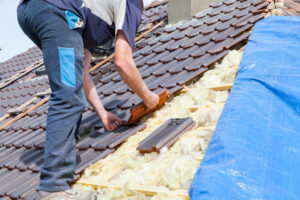
The first major construction step is usually removing the old roofing materials. This may include shingles, underlayment, flashing, damaged roof cement, old patches, or sections of flat roofing membrane.
Tear-off allows the contractor to inspect the deck and find hidden damage. It also prevents the new roof from being installed over weak or failing materials.
Proper removal should include debris control, property protection, and safe disposal.
Repairing the Roof Deck
After tear-off, the roof deck should be inspected. Any soft, rotten, cracked, sagging, or water-damaged decking should be repaired or replaced.
This step is essential because the new roofing system needs a stable base. Skipping deck repairs can cause fastening problems, uneven surfaces, leaks, and reduced roof life.
Deck repair may affect cost and timeline, which is why pre-project inspection and contingency planning are important.
Installing Underlayment, Flashing, and Roofing Materials
Once the deck is prepared, the contractor installs underlayment, flashing, drip edge, starter materials, shingles or membrane, vents, and other components based on the roof system.
Flashing must be installed carefully around chimneys, vents, skylights, sidewalls, roof edges, and valleys. These areas are common leak points.
For flat roofs, membrane seams, parapet details, drainage points, and penetrations require special attention. For shingle roofs, nail placement, ventilation, valleys, and ridge details are critical.
Final Inspection and Cleanup
A final inspection confirms that the roof was installed properly. It should include roof surface review, flashing checks, gutter and drainage review, cleanup, and warranty documentation.
Homeowners should keep all paperwork, warranty details, inspection notes, and maintenance recommendations after completion.
A roof replacement is a major investment. Documentation helps protect that investment over time.
Protecting Your New Bronx Roof After Replacement
Roof replacement is not the end of roof care. Regular inspections and maintenance help keep the new roof performing as expected.
Schedule Seasonal Maintenance
A new roof should be inspected at least once a year and after major storms. Seasonal checks help find loose shingles, clogged gutters, flashing movement, debris buildup, cracked sealant, or minor storm damage.
Spring inspections can identify winter damage. Fall inspections can prepare the roof before snow and freezing temperatures return.
This schedule helps homeowners catch small problems early.
Prevent Small Issues From Becoming Repairs
A small issue on a newer roof can become expensive if ignored. A loose flashing edge, clogged gutter, damaged pipe boot, or missing shingle can allow water beneath the roof system.
Routine inspections help identify these issues before they damage decking, insulation, ceilings, or walls.
Preventive maintenance is far less stressful than emergency repair after a leak.
Extend Roof Lifespan With Routine Care
A roof lasts longer when it is maintained. Cleaning gutters, removing debris, checking flashing, repairing storm damage, monitoring ventilation, and documenting roof condition all support long-term performance.
Homeowners should also watch for interior warning signs such as stains, peeling paint, damp attic areas, or musty odors.
If a problem appears, schedule roof repair in the Bronx before water spreads through the home.
When Emergency Roof Help May Be Needed in the Bronx
Some roofing problems should not wait for a normal appointment. Active leaks, storm damage, missing roof sections, and unsafe roof conditions need faster attention.
Active Leaks During Rain
If water is entering during rain, the first goal is to limit damage and identify the entry point. Buckets and temporary interior protection may help inside, but the roof still needs professional inspection.
Active leaks can damage ceilings, insulation, walls, flooring, and electrical areas. The longer water enters, the more expensive the repair can become.
Homeowners should schedule emergency roof repair in the Bronx when water is actively entering the home.
Storm Damage and Missing Materials
Strong wind can lift shingles, loosen flashing, damage gutters, or move debris across the roof. Storm damage may not always be obvious from the ground.
Missing shingles, fallen branches, exposed underlayment, loose flashing, or roof-edge damage should be inspected quickly.
Even if the roof does not leak immediately, the next rain may find the weak area.
Sagging or Soft Roof Areas
Visible sagging, soft decking, or a spongy roof surface may indicate deeper structural or moisture damage. This should be inspected by a professional.
A roof replacement plan may need deck repair, structural review, moisture removal, or improved drainage before new materials are installed.
Covering soft areas without repair can shorten the life of the new roof.
Conclusion: Plan Bronx Roof Replacement Before Leaks Become Expensive
Roof replacement should be based on inspection findings, not panic after severe leaks. By the time water stains, mold odors, or ceiling damage appear, the roof may already have hidden moisture beneath the surface.
Choosing quality materials improves durability and long-term value. Asphalt shingles, architectural shingles, metal roofing, EPDM, TPO, modified bitumen, slate, and other materials all have different strengths. The right choice depends on the home’s structure, roof slope, budget, ventilation, drainage, and maintenance goals.
Working with an experienced roofing contractor helps ensure proper installation and code-aware planning. A trusted contractor should inspect the roof, evaluate the deck, explain materials, address ventilation, review safety and permit needs when required, and complete a final quality check.
Call Goldenberg Roofing Bronx today at (718) 663-4786, or visit 2430 Davidson Ave, 2nd Fl, Bronx, NY 10468. Goldenberg Roofing Bronx provides roof repair, roof replacement, roof installation, residential roofing, commercial roofing, flat roofing, roof inspections, emergency roofing, asphalt shingles, EPDM, TPO, slate roofing, clay tile roofing, siding, gutters, and masonry throughout the Bronx.
Frequently Asked Questions
How do I know if my roof needs replacement instead of repairs?
Your roof may need replacement instead of repairs if it has repeated leaks, widespread shingle damage, heavy granule loss, soft decking, sagging areas, failing flashing, water stains, or repair costs that keep increasing. A professional inspection can confirm whether repair or replacement is the better option.
How long does a residential roof replacement usually take?
A residential roof replacement depends on roof size, material type, slope, access, weather, decking condition, and repair needs. Smaller homes may take less time, while roofs with structural repairs, ventilation upgrades, flat roof sections, or difficult access may require more planning and labor.
What roofing material lasts the longest for residential homes?
Slate, clay tile, and metal roofing are often among the longest-lasting residential roofing materials when the structure can support them and installation is done correctly. Architectural asphalt shingles can also provide strong long-term value for many sloped residential roofs when properly installed and maintained.
What should I expect during a new roof installation?
During a new roof installation, the contractor usually removes old roofing materials, inspects and repairs the roof deck, installs underlayment and flashing, applies the selected roofing system, checks ventilation and drainage, cleans the work area, and performs a final inspection before completion.
How often should a roof be professionally inspected?
A roof should usually be professionally inspected at least once a year and after major storms, heavy snow, high winds, visible leaks, or signs of damage. Older roofs or homes with past leak history may need more frequent inspections to prevent hidden damage from spreading.
What factors affect the total cost of replacing a roof?
The total cost of replacing a roof depends on roof size, material choice, slope, access, tear-off needs, decking repairs, flashing work, ventilation upgrades, permit requirements, labor, disposal, warranty level, and project complexity. A detailed inspection helps create a more accurate estimate.
How can I choose the right roofing contractor for my home?
Choose a roofing contractor with residential roofing experience, proper licensing and insurance, clear estimates, strong communication, quality materials, warranty information, and a detailed inspection process. The contractor should explain whether repair, replacement, or additional roof system improvements are best for your home.